فناوران سپیدجامگان
طراح و تولیدکننده تجهیزات پیشرفته پزشکی با تمرکز بر نوآوری، بومیسازی و توسعه فناوریهای سلامت
Orthopedics
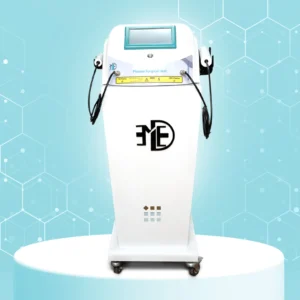

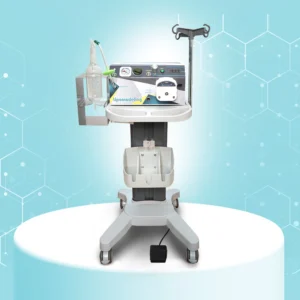
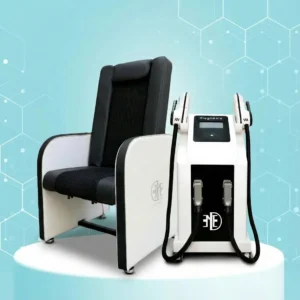
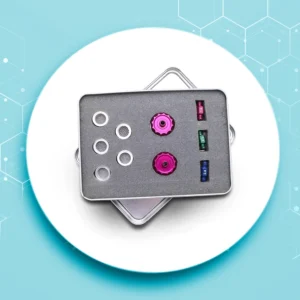
Specialized Orthopedic Equipment | Innovative Solutions for Diagnosis, Treatment, and Rehabilitation
In the field of orthopedics, the use of specialized medical equipment is of great importance.
Specialized orthopedic equipment plays a key role in accurate diagnosis, effective treatment,
and rehabilitation of patients with musculoskeletal disorders.
These devices – ranging from basic tools such as splints and braces to advanced systems like magnet therapy and shockwave therapy –
enable orthopedic physicians to provide better and more comprehensive care.
The application of modern technologies in this field has accelerated patient recovery,
reduced side effects, and increased treatment accuracy.
For orthopedic clinics, equipping with specialized devices means the ability to manage complex cases
and remain aligned with modern therapeutic standards.

Common Orthopedic Challenges
Orthopedic diseases and injuries are among the most common medical conditions affecting a large portion of the population.
From osteoarthritis and joint degeneration to sports injuries such as ligament tears and spinal disorders,
these conditions can lead to chronic pain, limited mobility, and reduced quality of life.
The main challenge in orthopedics is timely and accurate diagnosis of injuries or diseases,
followed by selecting an appropriate treatment method.
Post-treatment rehabilitation is equally important;
without scientific and step-by-step rehabilitation,
patients may experience prolonged movement limitations or persistent pain.
With advancements in medical science, traditional approaches such as complete rest or medication alone are no longer sufficient.
Therefore, orthopedic specialists seek innovative solutions that not only reduce pain and inflammation
but also promote tissue repair and restore the patient’s range of motion.
The Role of Modern Orthopedic Equipment in Treatment and Rehabilitation
In recent years, several advanced technologies have entered the field of orthopedics,
helping to provide non-invasive treatments and accelerate patient rehabilitation.
Some of the most important technologies include:
Magnet Therapy (Magnet Therapy):
The use of magnetic fields to reduce pain and inflammation and support bone tissue regeneration.
By improving local blood circulation, magnet therapy is widely used in conditions such as delayed fracture healing and osteoarthritis.
Shockwave Therapy (Shockwave Therapy):
The delivery of high-energy acoustic waves to damaged tissues to stimulate the healing process.
Shockwave therapy is effective in treating chronic tendinitis and heel spurs,
and it reduces pain by increasing blood flow and breaking down calcified deposits.
Electrotherapy and Electrical Stimulation:
The application of controlled electrical currents (such as TENS/EMS devices) to stimulate nerves and muscles.
This method helps reduce chronic pain (e.g., lower back pain),
prevents muscle atrophy after surgery,
and accelerates rehabilitation by strengthening muscles and improving neuromuscular function.
Nano-Fat Injection:
An advanced regenerative technology in which the patient’s own fat,
after processing into fine particles (nano-fat),
is injected into the damaged area.
The cells and growth factors present in nano-fat contribute to tissue regeneration
(such as cartilage repair in osteoarthritis)
and help reduce pain and inflammation.
Application of Orthopedic Equipment in the Clinical Setting
Specialized orthopedic devices are used as routine tools by the clinical treatment team.
For example, physiotherapists use shockwave therapy devices to treat patients with chronic tendon inflammation
or heel spurs over several sessions,
gradually reducing pain and tissue stiffness.
Magnet therapy devices are also used in clinics to assist in the healing of delayed fractures
or to relieve osteoarthritis pain;
patients place the affected area within the magnetic field of the device to benefit from its therapeutic effects.
Additionally, electrical stimulation (TENS/EMS) is commonly used during rehabilitation after orthopedic surgeries
to keep the muscles surrounding the joint active.
Orthopedic specialists also apply the regenerative nano-fat injection technique in clinical practice.
In this outpatient procedure, the patient’s processed fat is injected into the damaged joint
to support tissue repair.
Together, these applications demonstrate that the presence of specialized equipment in orthopedic clinics
enables more comprehensive and effective services
and reduces the need for patient referrals to other centers
or reliance solely on pharmacological treatments.
Why Are These Devices Suitable for Orthopedic Clinics?
Specialized orthopedic equipment is typically designed and manufactured according to strict medical standards
and holds the necessary safety certifications.
Many of these devices have also obtained international approvals such as FDA (USA) and CE (Europe).
These technologies are non-invasive and involve significantly fewer risks compared to surgical procedures;
for example, the risk of infection or damage to healthy tissues is minimal.
Moreover, the high precision of these devices allows for targeted treatment,
meaning the technology acts directly on the affected area and produces better outcomes.
Patient rehabilitation is also faster,
as technologies such as shockwave therapy and magnet therapy accelerate the healing process
and help patients return to daily activities sooner.
Altogether, the use of specialized equipment in orthopedic clinics
ensures treatment safety and quality
while increasing patient satisfaction and enhancing the medical center’s professional credibility.
Orthopedic Consultation
If you are planning to equip your orthopedic clinic with specialized medical devices,
our experts are ready to provide professional consultation.
You can contact us to assess your clinic’s therapeutic needs
and receive technical information and product catalogs.
Based on experience and technical expertise,
our team will guide you in selecting the most suitable equipment
according to your services and budget.
Frequently Asked Questions
What is the application of nano-fat in orthopedics?
Nano-fat is a modern, minimally invasive orthopedic technique
in which fat harvested from the patient’s body is processed
and injected into the affected area (such as an osteoarthritic joint).
This method utilizes regenerative cells within the fat
to support cartilage and tissue repair
and reduce chronic joint pain and inflammation.
How does orthopedic magnet therapy work?
By generating pulsed magnetic fields,
magnet therapy increases local blood flow and oxygen delivery,
thereby accelerating bone and soft tissue healing.
Orthopedic Equipment Comparison Table
| Device | Main Application | Features & Advantages |
|---|---|---|
| Magnet Therapy Device | Pain reduction and osteoarthritis & fracture healing | Tissue regeneration and improved circulation |
| Shockwave Therapy Device | Heel spur and chronic tendinitis | Calcification breakdown and pain relief |
| Electrotherapy (TENS/EMS) | Pain relief and muscle strengthening | Neuromuscular stimulation and atrophy prevention |
| Laser Therapy Device | Soft tissue and joint injuries | Inflammation reduction and cellular repair |
| RF (TECAR) Therapy | Muscle and joint injuries | Deep heating and enhanced local blood flow |