
فناوران سپیدجامگان
طراح و تولیدکننده تجهیزات پیشرفته پزشکی با تمرکز بر نوآوری، بومیسازی و توسعه فناوریهای سلامت
surgery




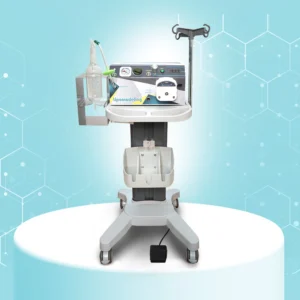






Specialized Surgical Equipment | Professional Operating Room Tools
Specialized surgical equipment forms the backbone of safe and successful medical procedures in hospitals and healthcare centers.
The quality and precision of these devices have a direct impact on surgical outcomes, reduction of postoperative complications,
and the safety of both patients and surgical teams.
With the advancement of medical technologies, modern operating rooms are now equipped with intelligent, minimally invasive,
and energy-controlled devices that enable highly precise surgeries with minimal tissue damage.
This page explores specialized surgical equipment, modern technologies used in operating rooms,
and their role in improving clinical standards.

The Specialized Challenge in Surgery
Surgery is one of the most sensitive medical disciplines, where even the smallest error can result in serious complications
or pose a threat to the patient’s life.
Bleeding control, maintaining sterility, incision precision, tissue temperature management,
and minimizing damage to healthy structures are among the main surgical challenges.
Traditional mechanical tools had limitations in terms of precision, control, and safety.
Today, with increasing surgical complexity and the demand for minimally invasive approaches,
the need for advanced equipment with precise energy control, enhanced visualization,
and minimal tissue destruction has become essential.
Modern surgery is virtually impossible without specialized surgical equipment.
The Role of Advanced Surgical Equipment in the Operating Room
Modern medical technologies have brought significant transformation to the field of surgery.
The most important of these technologies include:
Advanced Electrosurgery:
Electrosurgical units allow precise cutting, coagulation, and hemostasis through controlled energy delivery.
These devices are widely used in general surgery, gynecology, urology, and orthopedics.
Plasma Surgery:
Plasma technology provides focused energy with controlled temperature,
enabling tissue incision with minimal thermal damage.
This method reduces tissue necrosis and accelerates postoperative healing.
RF Surgical Systems:
Radiofrequency waves are highly valued in soft tissue surgeries due to their high precision,
reduced bleeding, and minimal scarring.
Imaging and Monitoring Systems:
Surgical cameras, medical monitors, and magnification systems significantly enhance the surgeon’s visual field
and help reduce human error during procedures.
Application of Surgical Equipment in Healthcare Facilities
In modern operating rooms, every stage of surgery depends on specialized equipment.
Electrosurgical and plasma surgical devices are used for precise incisions and bleeding control.
RF surgical systems are widely applied in minimally invasive, cosmetic, and reconstructive procedures.
Surgical suction systems, operating room lights, electric surgical tables,
and patient monitoring devices ensure patient stability throughout the procedure.
Sterilization equipment, including autoclaves and disinfection systems,
plays a vital role in preventing hospital-acquired infections.
The correct integration of these tools enables safe, efficient, and standardized surgical procedures.
Why Are These Devices Essential for the Operating Room?
Specialized surgical equipment is designed in accordance with international medical standards
and prioritizes patient safety.
Precise energy control, reduced bleeding, minimal thermal damage,
and faster tissue healing are among the key benefits of these devices.
From a management perspective, advanced equipment reduces surgery time,
lowers postoperative complications, and improves operating room efficiency.
Additionally, increased patient satisfaction, reduced hospitalization costs,
and enhanced institutional credibility are direct outcomes of using modern surgical technologies.
Operating Room Equipment Consultation
Proper operating room setup requires careful evaluation of surgical specialties,
patient volume, and the clinical level of the healthcare center.
Receiving professional consultation before selecting equipment
plays a crucial role in improving safety, efficiency, and device longevity.
Technical experts are ready to assess facility needs
and recommend the most suitable combination of surgical equipment.
Frequently Asked Questions (FAQ)
1. What is the difference between electrosurgery and plasma surgery?
Electrosurgery is based on electrical current,
while plasma surgery transfers energy with minimal thermal spread to surrounding tissues.
2. How do modern surgical devices affect surgical outcomes?
They reduce bleeding, increase incision precision,
and significantly lower postoperative complications.
3. Do advanced surgical devices reduce operation time?
Yes, improved energy control and enhanced visualization
lead to faster and more accurate surgical procedures.
4. What is the role of sterilization equipment in the operating room?
Preventing hospital-acquired infections
and ensuring the safety of patients and medical staff.
5. What factors should be considered when selecting surgical equipment?
Type of surgery, clinical expertise level,
safety standards, and after-sales support are key selection criteria.
Specialized Surgical Equipment Table
| Device | Main Application | Advantages |
|---|---|---|
| Electrosurgery Unit | Cutting and Coagulation | Effective Bleeding Control |
| Plasma Surgical System | Precise Soft Tissue Incision | Minimal Thermal Damage |
| RF Surgical System | Minimally Invasive Surgery | Reduced Scarring |
| Operating Room Light | Enhanced Surgical Visibility | Uniform, Shadow-Free Illumination |
| Autoclave | Sterilization | Complete Infection Control |