
فناوران سپیدجامگان
طراح و تولیدکننده تجهیزات پیشرفته پزشکی با تمرکز بر نوآوری، بومیسازی و توسعه فناوریهای سلامت
Dermatology
-

Aphrodite device (Endo RF.dermatology)
-
Artemisia (RF Lifting.dermatology)
-
BIO FILLER MAKER (Dermatology)
-
Carboxytherapy (dermatology)
-
ED-DBD Plasma (dermatology)
-
Fume Eliminator (Dermatology)
-
Functional Fat Injection (Dermatology)
-
Lipomodeling (dermatology)
-
Magnet Therapy (dermatology)
-
Nanofat (Dermatology)
-
PAL (Dermatology)
-
Plasma knife (Dermatology)
-
Subcijector
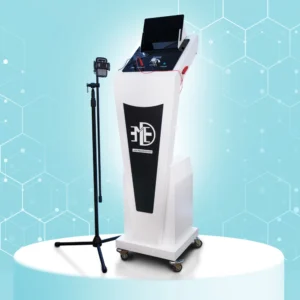
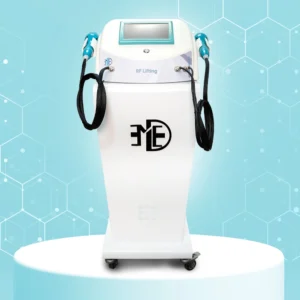
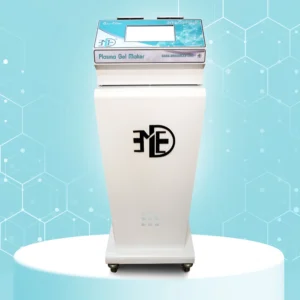
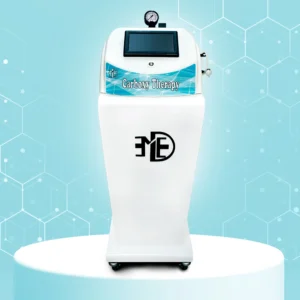
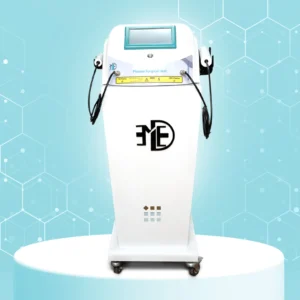


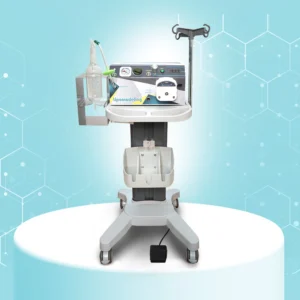
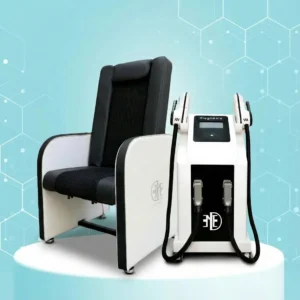
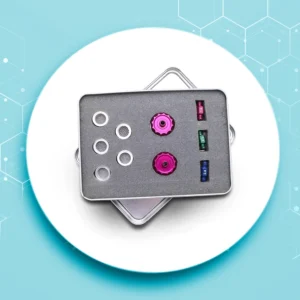
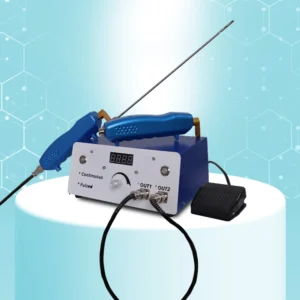
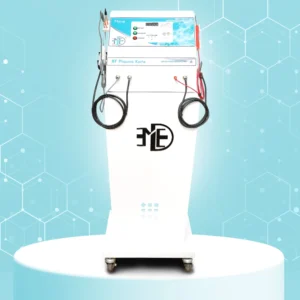

Medical Aesthetic & Dermatology Equipment | Professional Devices for Skin Clinics
Medical aesthetic and dermatology equipment has become a core component of modern specialized skin clinics.
Advancements in medical technologies and the growing demand for safe, non-invasive, and effective treatments
have significantly increased the role of professional dermatology devices.
These systems enable precise diagnosis, targeted therapy, and structural skin improvement,
resulting in higher patient satisfaction and elevated clinical standards.

In modern clinics, technologies such as Medical RF, Endo RF, Medical Carboxytherapy, and Medical Plasma
allow skin conditions to be treated with minimal side effects and maximum clinical efficiency.
This page provides a scientific overview of dermatology equipment, their clinical applications, and benefits.
Clinical Challenges in Dermatology and Skin Treatment
As the largest organ of the human body, the skin is constantly exposed to environmental stressors.
Ultraviolet radiation, air pollution, stress, unhealthy lifestyle habits, aging, and hormonal changes
are among the primary causes of skin disorders.
These factors can lead to wrinkles, skin laxity, persistent pigmentation, acne, scarring,
discoloration, and loss of skin clarity.
Effective treatment requires an accurate understanding of skin structure, depth of damage,
and proper treatment selection.
Superficial cosmetic approaches often provide temporary results,
whereas modern dermatology relies on medical energy-based treatments—
methods that target deeper skin layers without damaging the epidermis
and activate the skin’s natural regenerative processes.
The Role of Advanced Medical Aesthetic Equipment
Modern dermatology equipment utilizes advanced technologies to deliver safe,
targeted, and clinically effective treatments.
These devices are developed according to scientific principles and international medical standards,
providing predictable and long-lasting results.
Medical RF (Radio Frequency):
Radiofrequency energy creates controlled thermal stimulation within the dermal layer,
activating fibroblasts and increasing collagen and elastin production.

This technology is widely used for skin rejuvenation, tightening,
and improvement of facial and body laxity.
Endo RF:
Endo RF enables energy delivery to deeper tissue layers and is considered
one of the most effective non-surgical skin lifting methods.
It demonstrates high clinical efficacy for moderate to advanced skin laxity.

Medical Carboxytherapy:
Controlled administration of CO₂ improves oxygenation, enhances blood circulation,
and stimulates cellular regeneration.
This method is commonly used for stretch marks, cellulite, and skin rejuvenation.

Medical Plasma (Cold Plasma):
Cold plasma technology offers antibacterial and regenerative properties,
making it effective in treating active acne, scars, pigmentation,
and epidermal repair.

Clinical Applications in Specialized Skin Clinics
In professional clinical environments, medical aesthetic equipment enables
a wide range of advanced dermatological services.
RF and Endo RF devices are commonly used to treat facial sagging,
double chin, arms, and abdominal skin laxity without surgical intervention.
Medical carboxytherapy is applied for periorbital dark circles,
stretch marks, cellulite reduction, and enhanced skin radiance.
Medical plasma therapy is widely used for acne treatment,
atrophic scars, and overall skin texture improvement.
Combining these technologies allows clinics to design personalized treatment protocols,
enabling physicians to select optimal therapies based on skin type,
age, and condition severity.
Advantages of Medical Aesthetic & Dermatology Equipment
Medical dermatology devices are developed according to international standards,
ensuring high safety and reliability.
Non-invasive treatments reduce the risk of infection, scarring,
and adverse effects, allowing patients to receive treatment
without hospitalization or extended downtime.
Clinically, these technologies expand service offerings,
enhance scientific credibility, and increase patient satisfaction.
They can also be combined with complementary treatments such as
mesotherapy, PRP, and injectable therapies.
Professional Consultation for Dermatology Clinic Equipment
For clinics planning to establish or upgrade dermatology services,
professional consultation plays a key role in selecting appropriate equipment.
Evaluating clinical needs, understanding available technologies,
and reviewing technical specifications support informed investment decisions.
Technical experts are available to guide clinics in selecting devices
aligned with their treatment scope and professional standards.
Frequently Asked Questions – Medical Aesthetic Equipment
What is the difference between medical and cosmetic devices?
Medical devices comply with therapeutic standards, controlled penetration depth,
and scientific approvals, while cosmetic devices typically provide superficial results.
Who is suitable for medical RF treatment?
Patients with mild to moderate skin laxity, wrinkles,
and reduced skin firmness seeking a non-surgical option.
Is medical carboxytherapy painful?
The procedure uses fine needles, and discomfort is generally mild and tolerable.
How does medical plasma help acne treatment?
Cold plasma reduces acne-causing bacteria and accelerates skin repair.
How many sessions are required for skin rejuvenation?
Depending on the device and skin condition, typically 3 to 6 sessions are recommended.
Medical Aesthetic & Dermatology Equipment Overview
| Device | Primary Application | Key Benefits |
|---|---|---|
| Medical RF | Skin rejuvenation and tightening | Collagen stimulation, non-invasive |
| Endo RF | Deep skin lifting | High efficacy without surgery |
| Medical Carboxytherapy | Pigmentation, stretch marks, cellulite | Improved tissue oxygenation |
| Medical Plasma | Acne, scars, skin regeneration | Antibacterial and epidermal repair |
| Laser Therapy | Pigmentation and skin rejuvenation | High precision and durable results |