
فناوران سپیدجامگان
طراح و تولیدکننده تجهیزات پیشرفته پزشکی با تمرکز بر نوآوری، بومیسازی و توسعه فناوریهای سلامت
dentistry



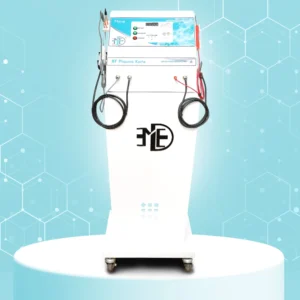
Professional Dental Equipment | Modern Clinical & Therapeutic Solutions
Professional dental equipment forms the foundation of safe, precise, and standardized dental care in clinics and private practices. Advances in medical technology have shifted dentistry away from traditional approaches toward technology-driven, minimally invasive, and highly accurate treatments. Today, the quality of dental equipment directly impacts treatment outcomes, patient safety, and overall satisfaction.
Modern dental clinics utilize specialized devices to deliver a wide range of treatments, including oral surgery, endodontics, periodontology, restorative dentistry, and aesthetic procedures with high clinical accuracy. This page reviews specialized dental equipment, applied technologies, and their role in improving clinical treatment workflows.
Professional Challenges in Dentistry
The oral cavity is one of the most sensitive areas of the human body, requiring high precision, strict sterilization protocols, and the use of standardized medical equipment. Dental caries, periodontal disease, root canal infections, jawbone resorption, and temporomandibular joint disorders are among the most common clinical challenges in dentistry.
Improper treatment or the use of non-standard equipment may lead to secondary infections, chronic pain, and treatment failure. For this reason, modern dentistry is built upon accurate, controlled, and safe medical devices. Today, clinical expertise alone is not sufficient—equipment quality plays a decisive role in treatment success.

Role of Advanced Dental Equipment
The introduction of advanced technologies has significantly transformed dental practice. Key technologies include:
Electrosurgical and Medical Plasma Devices:
Enable precise soft tissue cutting with minimal bleeding; widely used in gingival surgery, frenectomy, and soft tissue lesion management.
Dental RF Surgical Systems:
Radiofrequency energy allows controlled tissue cutting, reduced inflammation, and accelerated healing.
Dental Lasers:
Used in endodontic treatments, periodontal surgery, canal disinfection, and management of dentinal hypersensitivity.
Suction and Sterilization Systems:
Maintaining a sterile clinical environment is essential; advanced sterilization systems significantly reduce the risk of cross-contamination.
Application of Dental Equipment in Clinical Settings
In modern dental practices, the dental unit serves as the central platform for treatment delivery, with all auxiliary equipment integrated around it. Electrosurgical and plasma devices are used for soft tissue procedures with minimal bleeding, improving clinical visibility during treatment.
Dental lasers enable low-pain procedures, root canal disinfection, and precise periodontal surgery. RF devices support soft tissue management and inflammation control.
The presence of digital imaging systems, high-power suction units, and comprehensive sterilization equipment ensures safe treatment aligned with international clinical protocols.
Why These Devices Are Suitable for Dental Clinics
Professional dental equipment is designed in accordance with international medical standards, ensuring safety for both patients and clinicians. High precision, reduced bleeding, faster tissue healing, and minimized post-treatment discomfort are among the primary benefits.
From a management perspective, advanced equipment enhances patient trust, reduces chair time, and improves clinic profitability. Minimally invasive treatments lead to higher patient satisfaction and increased follow-up visits.
Dental Clinic Equipment Consultation
Selecting appropriate dental equipment requires careful evaluation of clinical services, available space, and treatment objectives. Professional consultation helps clinicians choose devices aligned with their practice needs. Technical assessment, equipment selection, and tailored solutions are available through specialized consultation services.
Frequently Asked Questions (FAQ)
1. What distinguishes professional dental equipment from standard models?
Professional devices offer higher precision, certified medical standards, and longer operational lifespan.
2. Is medical plasma safe for dental procedures?
Yes, medical plasma operates at controlled temperatures and provides antibacterial effects with high safety.
3. What are the benefits of dental lasers?
Reduced pain, minimal bleeding, and faster healing are key advantages.
4. What role do sterilization systems play in dentistry?
They prevent cross-infection and ensure patient and staff safety.
5. Do modern dental devices increase treatment costs?
In many cases, reduced treatment time and higher success rates lower overall costs.
Table of Specialized Dental Equipment
| Device | Main Application | Benefits |
|---|---|---|
| Dental Unit | General dental treatment | Ergonomic design and precise control |
| Electrosurgery / Plasma | Soft tissue surgery | Minimal bleeding |
| Dental Laser | Surgery and endodontics | Pain-free treatment |
| RF Surgical System | Inflammation control | Faster tissue repair |
| Autoclave & Sterilization | Instrument disinfection | Complete safety |