
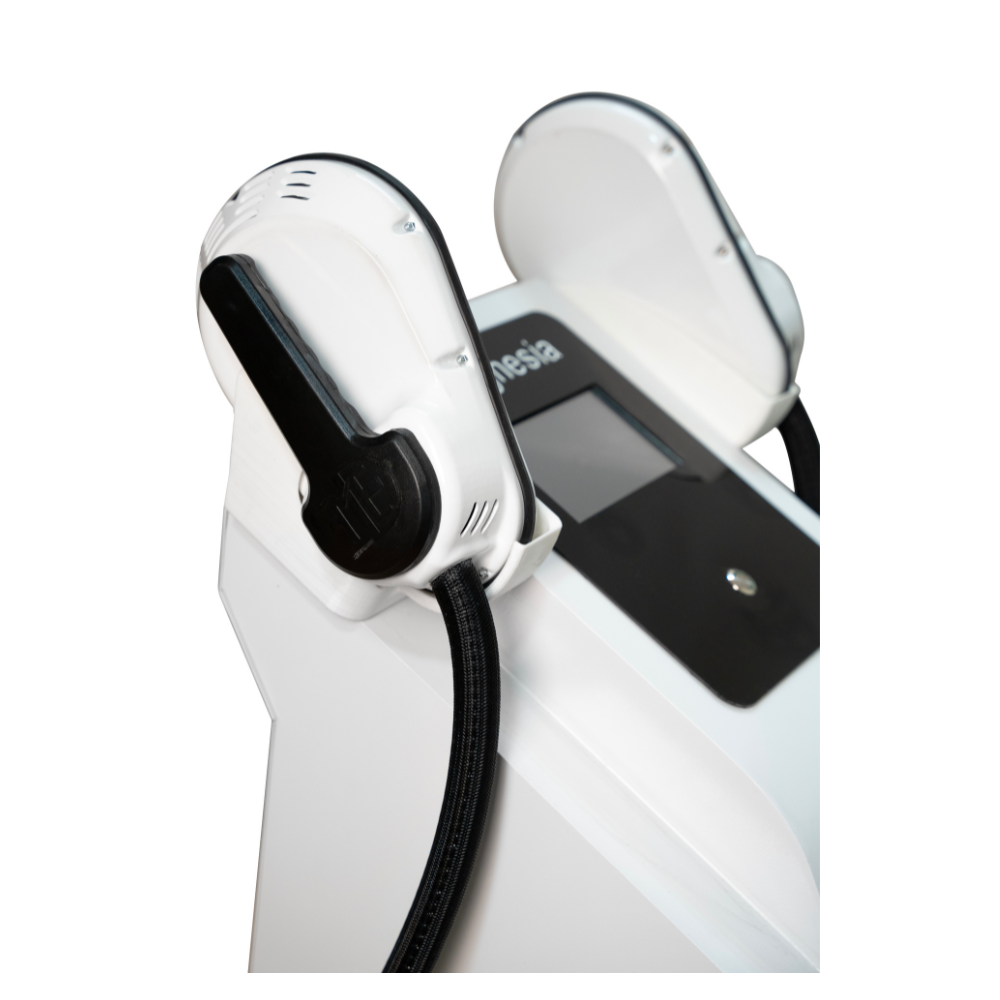
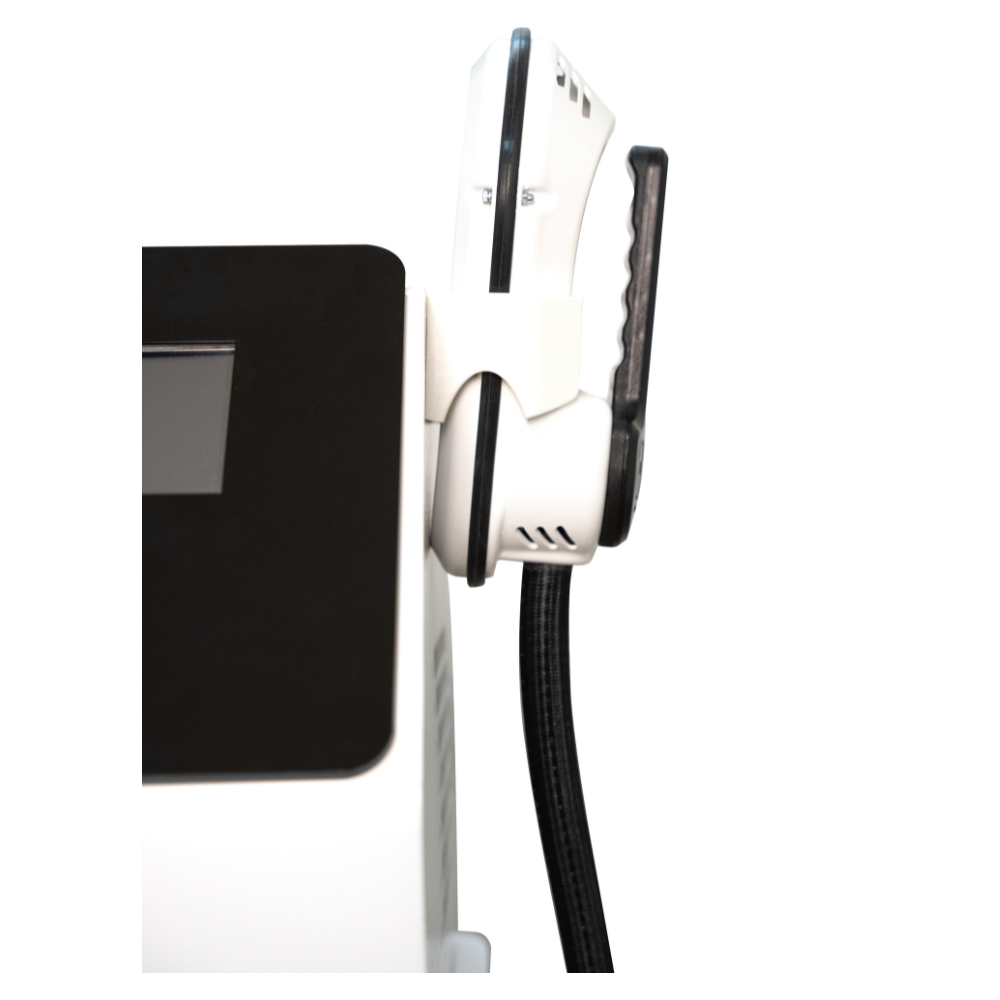
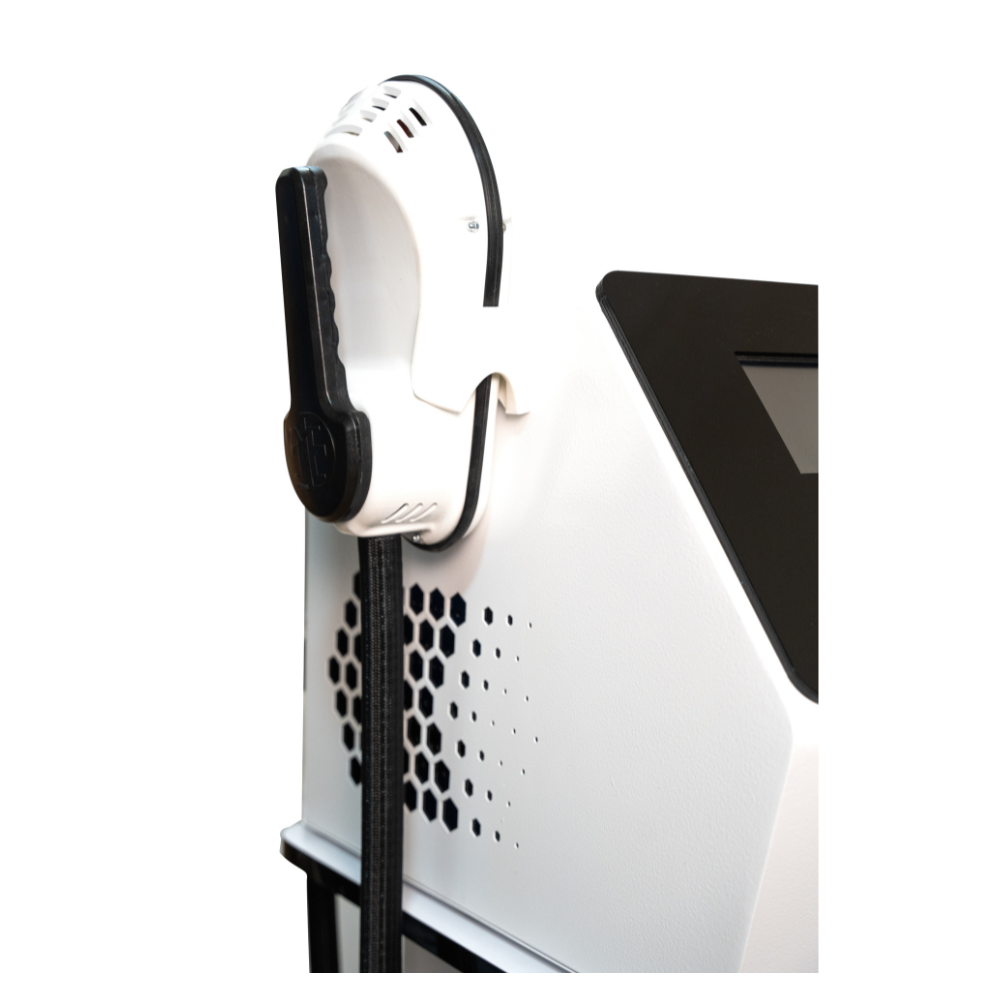
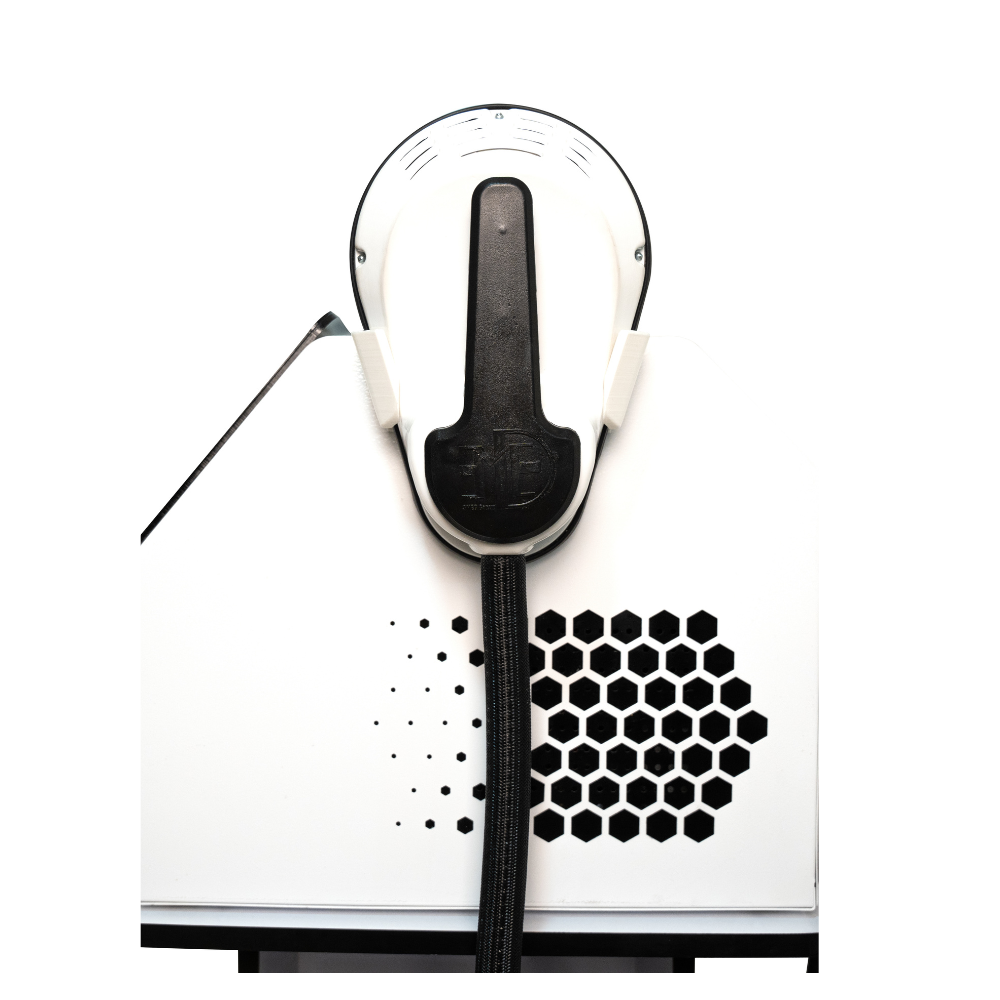
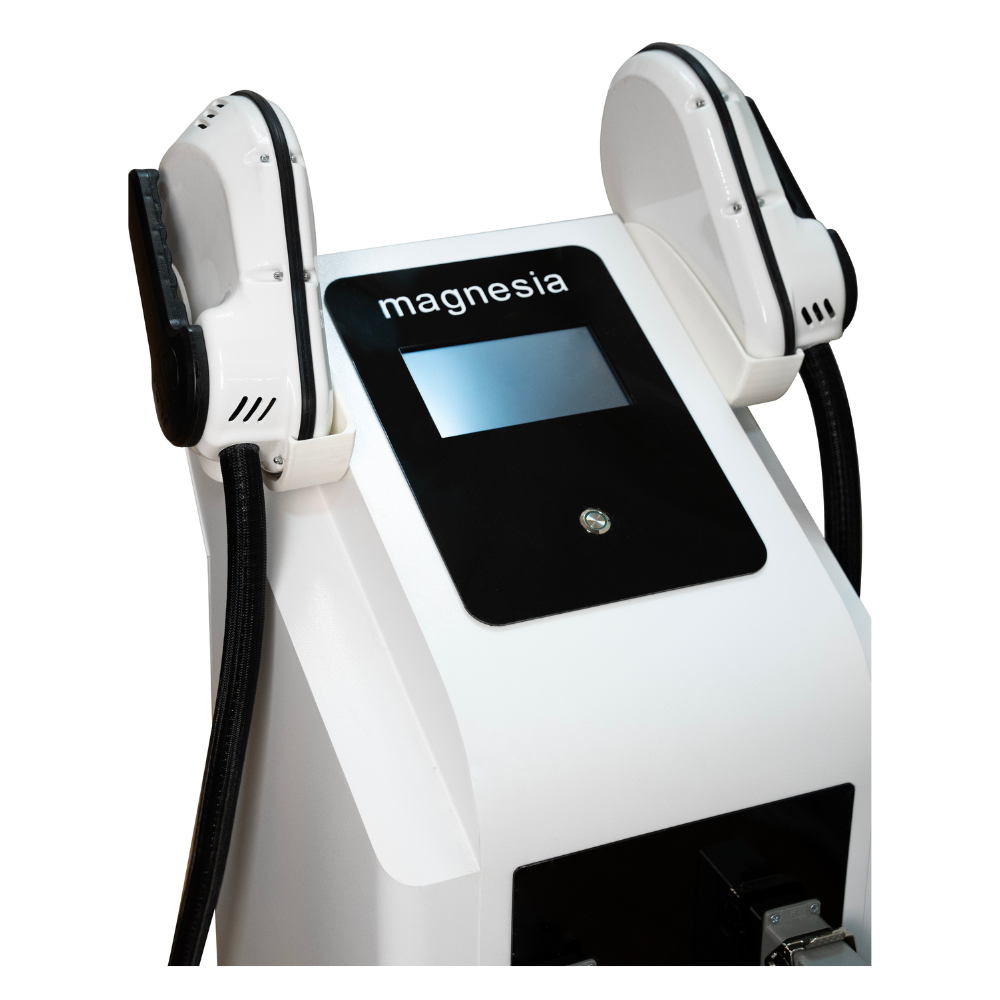
Description
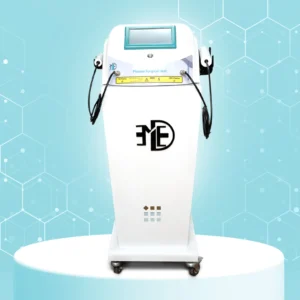
Magnet Therapy in Physiotherapy | Safe and Innovative Rehabilitation Solution
History of Magnet Therapy in Physiotherapy
Magnet therapy has attracted attention since the 17th century. The Earth’s magnetic field and its effects on the body form the basis for the safe and therapeutic use of this method. Passing electromagnetic currents through the body generates fields that activate cells and help restore their natural balance.
General Cellular Mechanism of Magnet Therapy
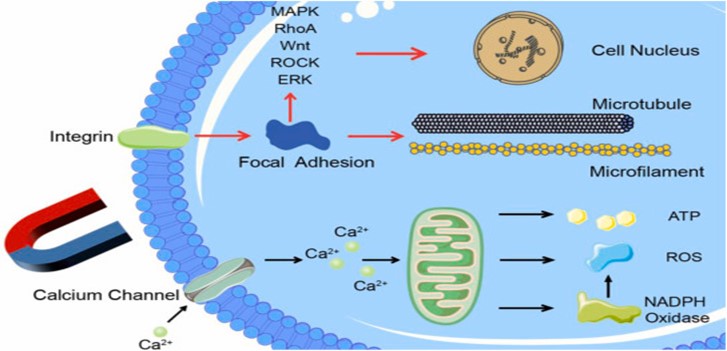
Electromagnetic currents regulate the baseline potential of cells and improve ion exchange, membrane permeability, oxygen consumption, and ATP production. Magnetic waves penetrate deep into tissues, reducing pain and inflammation.
Principles of Magnet Therapy Devices in Physiotherapy
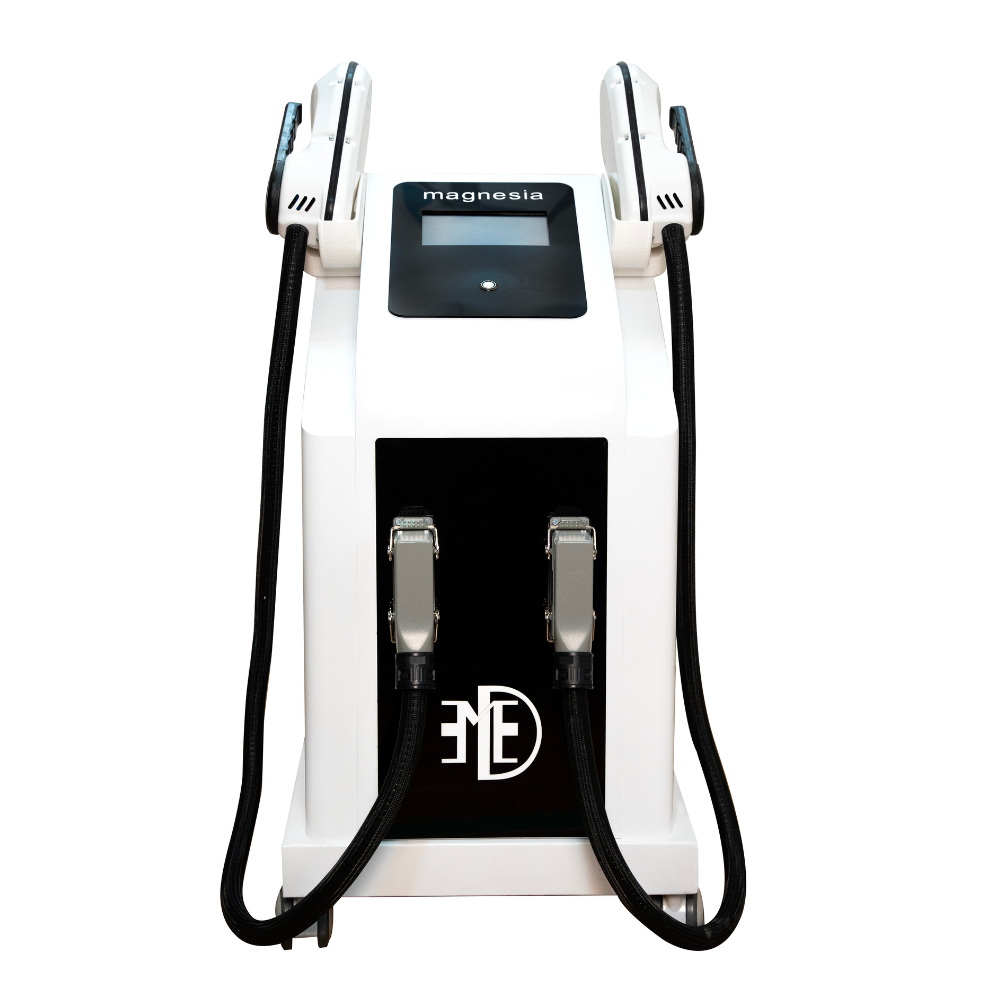
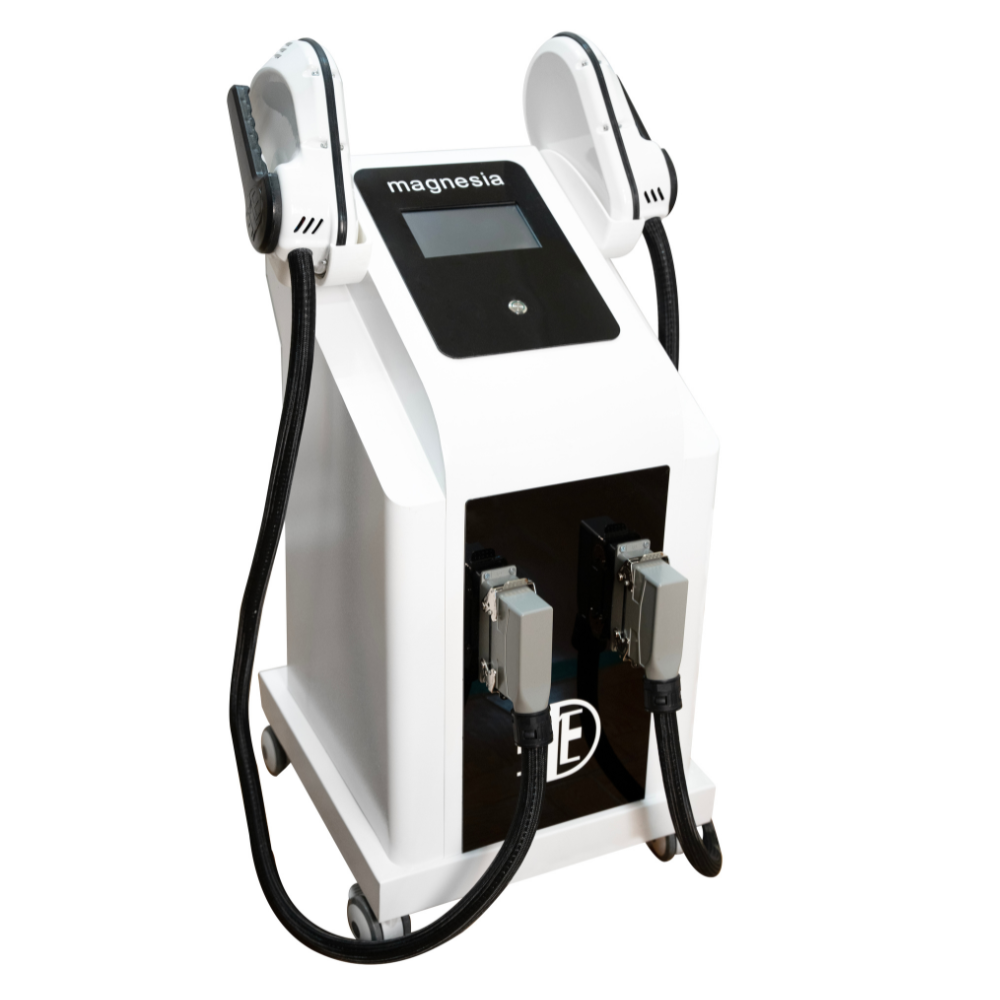
Magnet therapy devices are of two types:
- Static (Permanent Magnets)
- Dynamic (Pulsed Electromagnets)
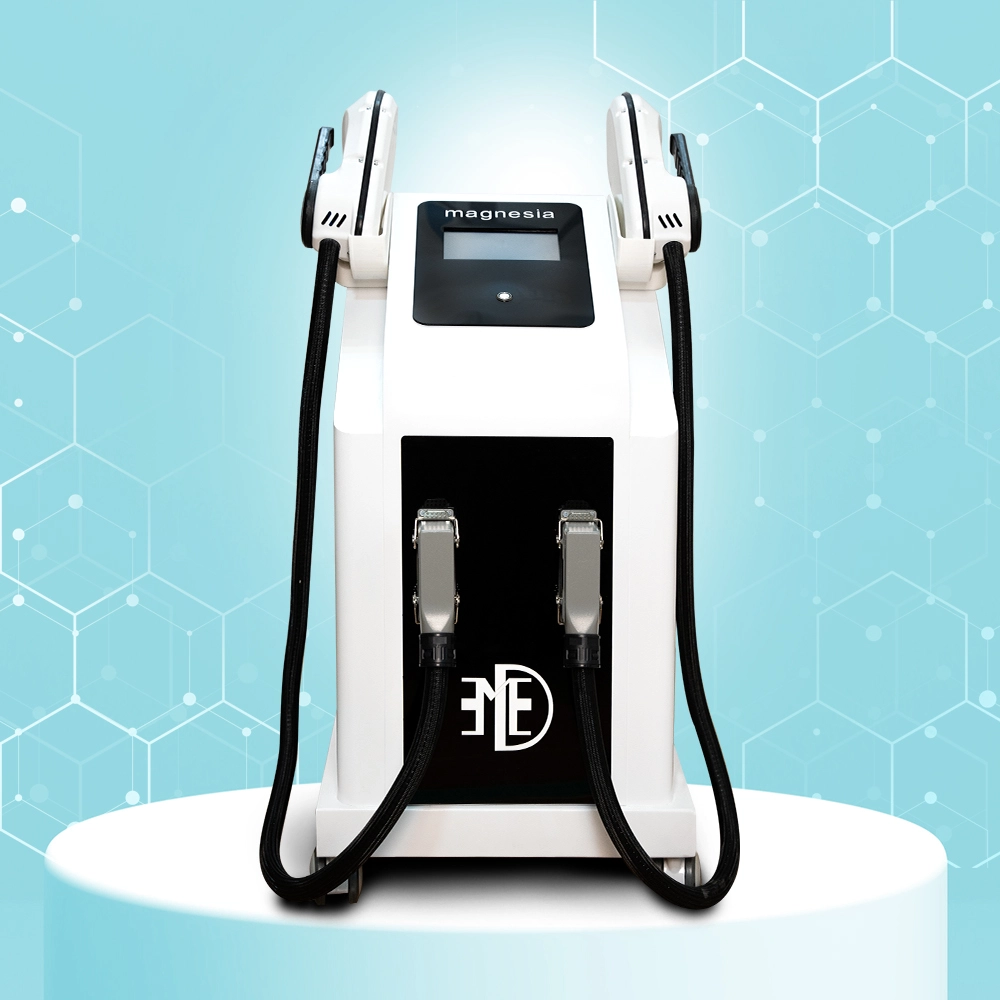
Pulsed models have greater effectiveness in physiotherapy and are used depending on the type of injury, patient condition, and combination methods.
Indications for Using Magnet Therapy in Physiotherapy
- Relief of muscle spasms in sports injuries
- Management of acute and chronic musculoskeletal pain
- Muscle stimulation in atrophy or contusions
- Assistance in bone healing
- Reduction of pelvic pain, sciatica, lumbago
- Strengthening pelvic floor muscles
- Treatment of urinary and fecal incontinence
- Supportive therapy after orthopedic surgeries
- Improvement of recovery and athletic performance
- Strengthening muscle fibers and increasing vessel diameter
- Prevention of osteoporosis
- Muscle shaping and reduction of localized fat
- Strengthening ligaments and tendons
- Reduction of inflammation in arthritis, myositis, epicondylitis
- Support in fibromyalgia and trophic ulcers treatment
- Relief of age-related pain such as osteoarthritis and rheumatism
- Improvement of sleep and quality of life for mobility-impaired patients
Bone Effects of Magnet Therapy
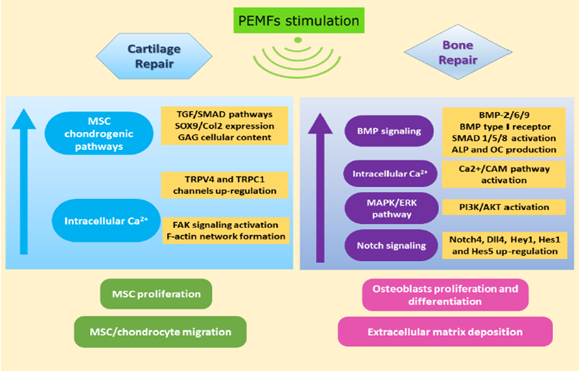
Studies show that electromagnetic waves increase bone trabeculae, calcium absorption, and faster callus formation, making magnet therapy very effective in fractures and post-surgical recovery.
Vascular Effects of Magnet Therapy
Magnet therapy promotes:
- Vasodilation
- Formation of new capillaries
- Improved blood flow
- Enhanced angiogenesis
These effects accelerate tissue repair.
Analgesic Effects of Magnet Therapy
The most important effects include:
- Pain reduction
- Inflammation reduction
- Increased endorphin release
- Improved cellular metabolism
Neurological Effects of Magnet Therapy
Magnetic waves increase:
- Acetylcholine
- Catecholamines
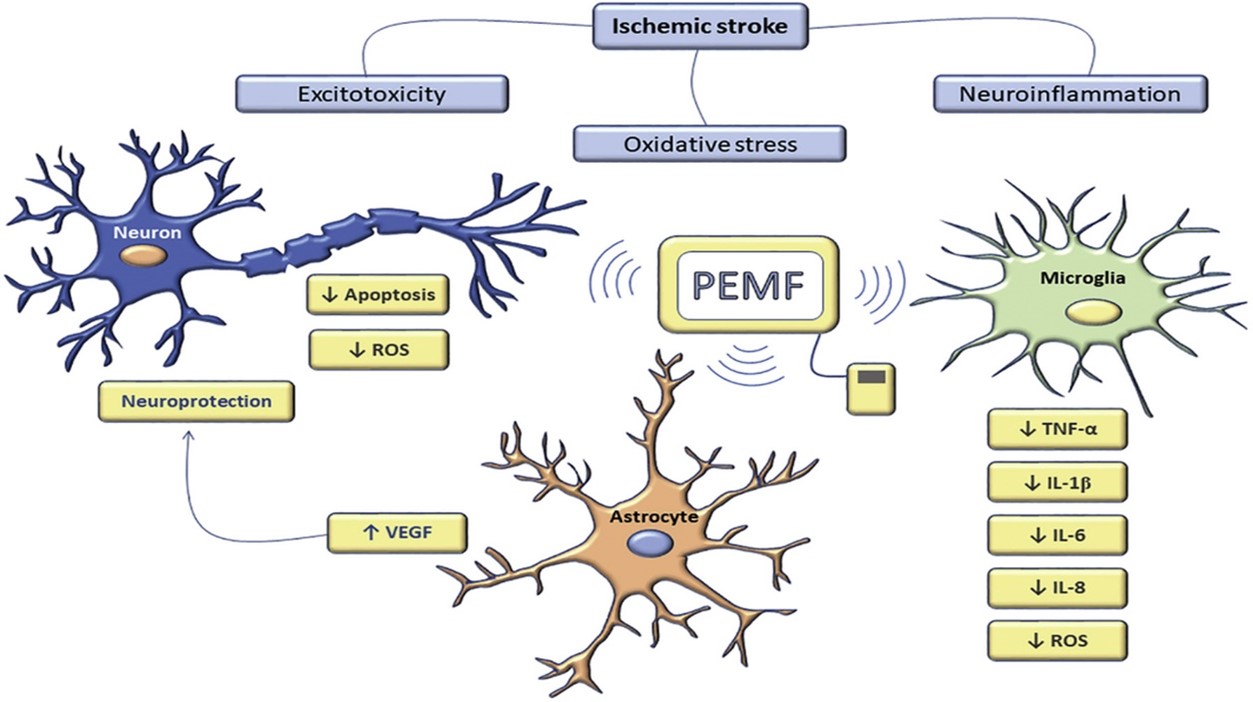
This helps improve the function of damaged nerves.
Patient Selection Guidelines for Magnet Therapy
- Comprehensive patient history review
- Evaluation of other therapeutic methods
- Assessment for single or combination therapy use
- Start with low intensity and increase gradually
- Avoid long and unscientific sessions
- Check for interference with other devices or treatments
Contraindications of Magnet Therapy
Magnet therapy should not be used in:
- Patients with metal implants or pacemakers
- Pregnancy and breastfeeding
- Young children
- Organ transplant patients
- Diabetes with angiopathy
- Severe circulatory disorders
- Open wounds, bleeding, chronic infections
- Tuberculosis
- Malignant tumors
- Severe psychiatric disorders
- Substance or alcohol use
Advantages of Magnet Therapy in Physiotherapy
- Safe and non-invasive
- Painless and no recovery period
- Cost-effective
- Can be used alongside other physiotherapy methods
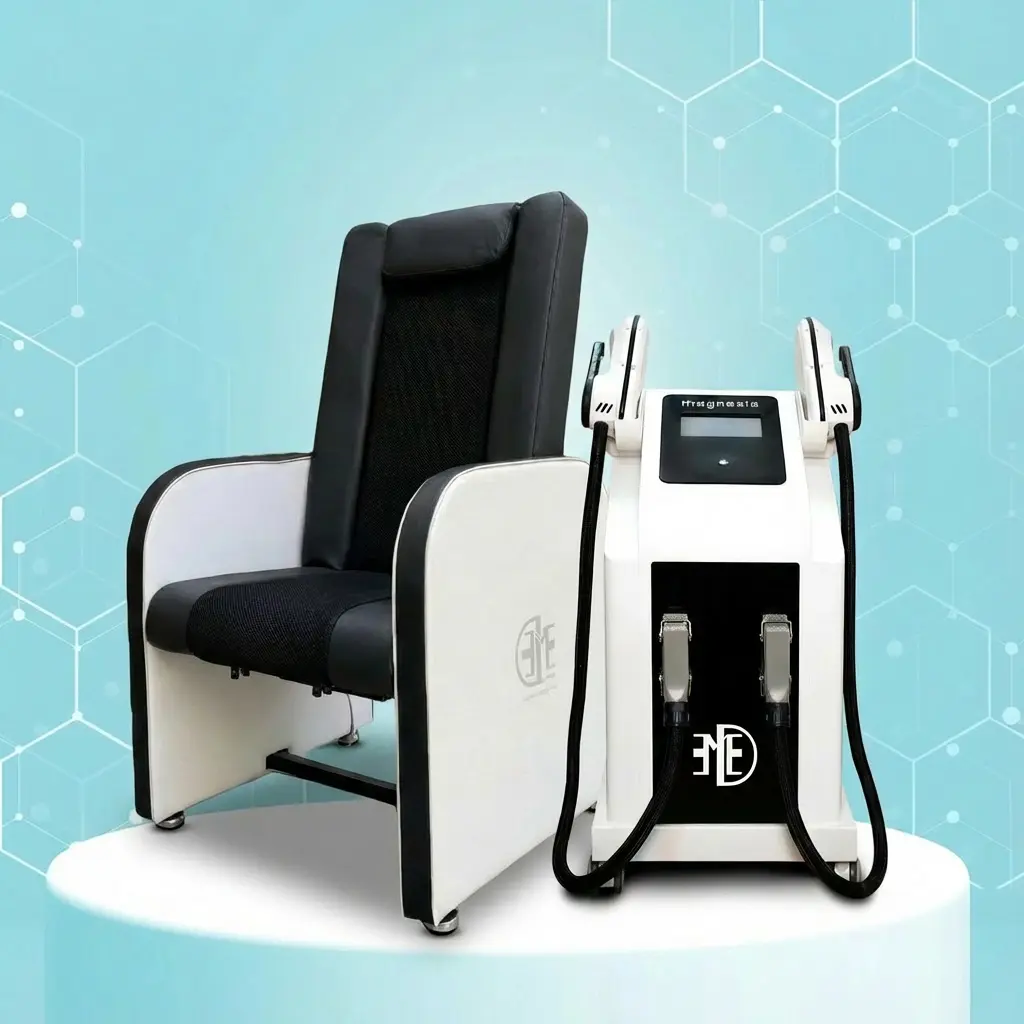
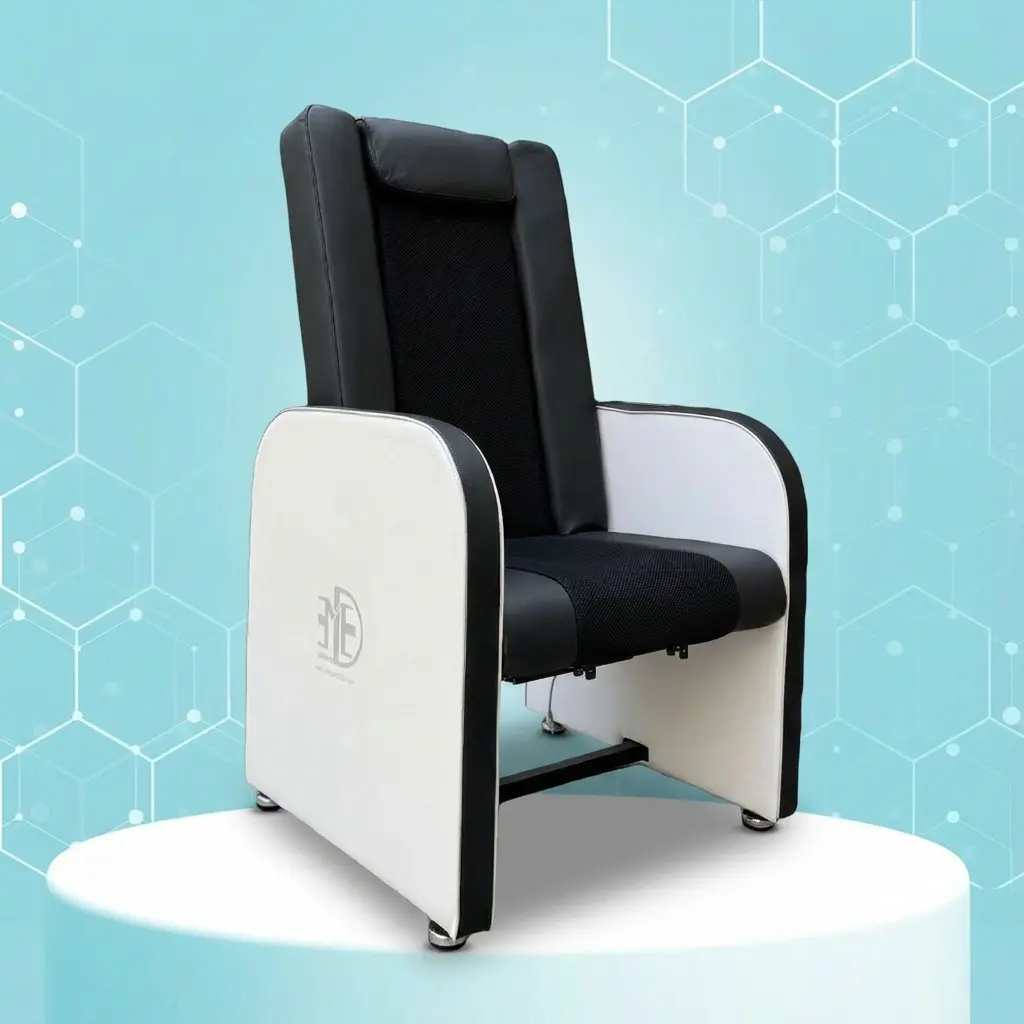
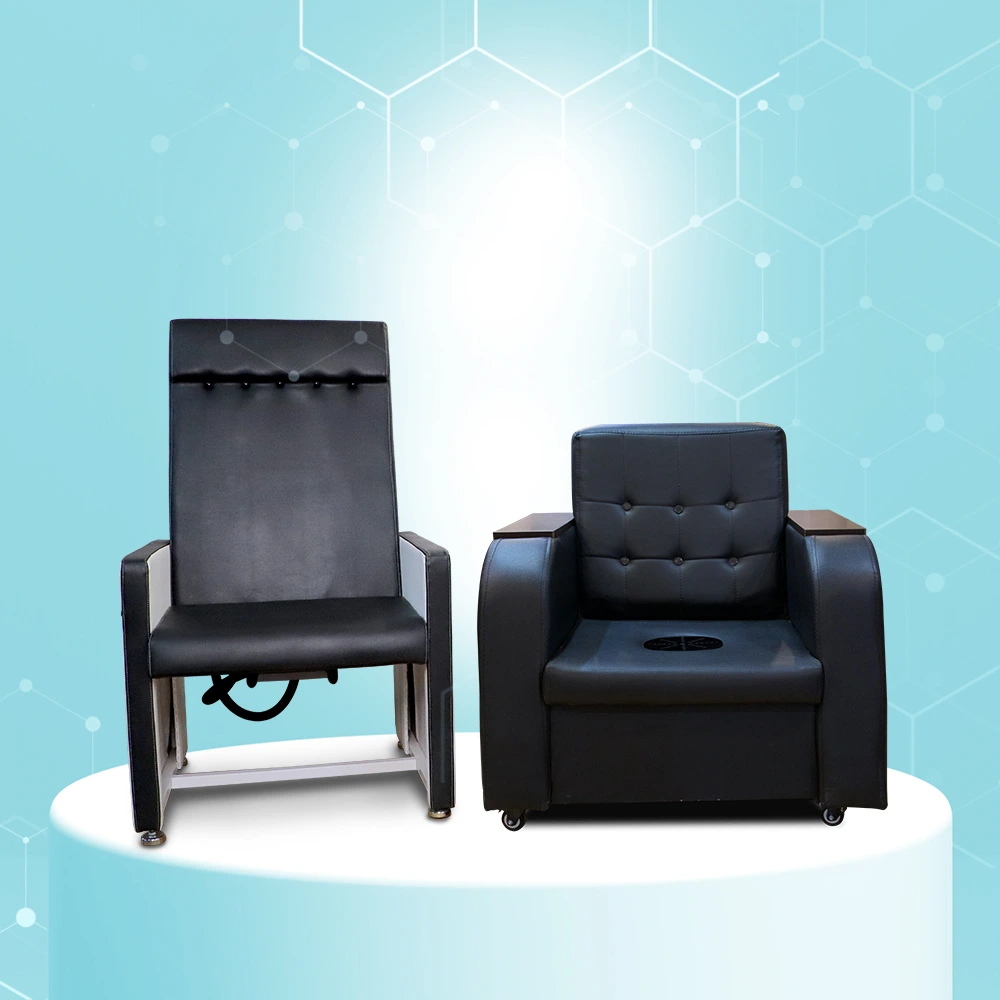
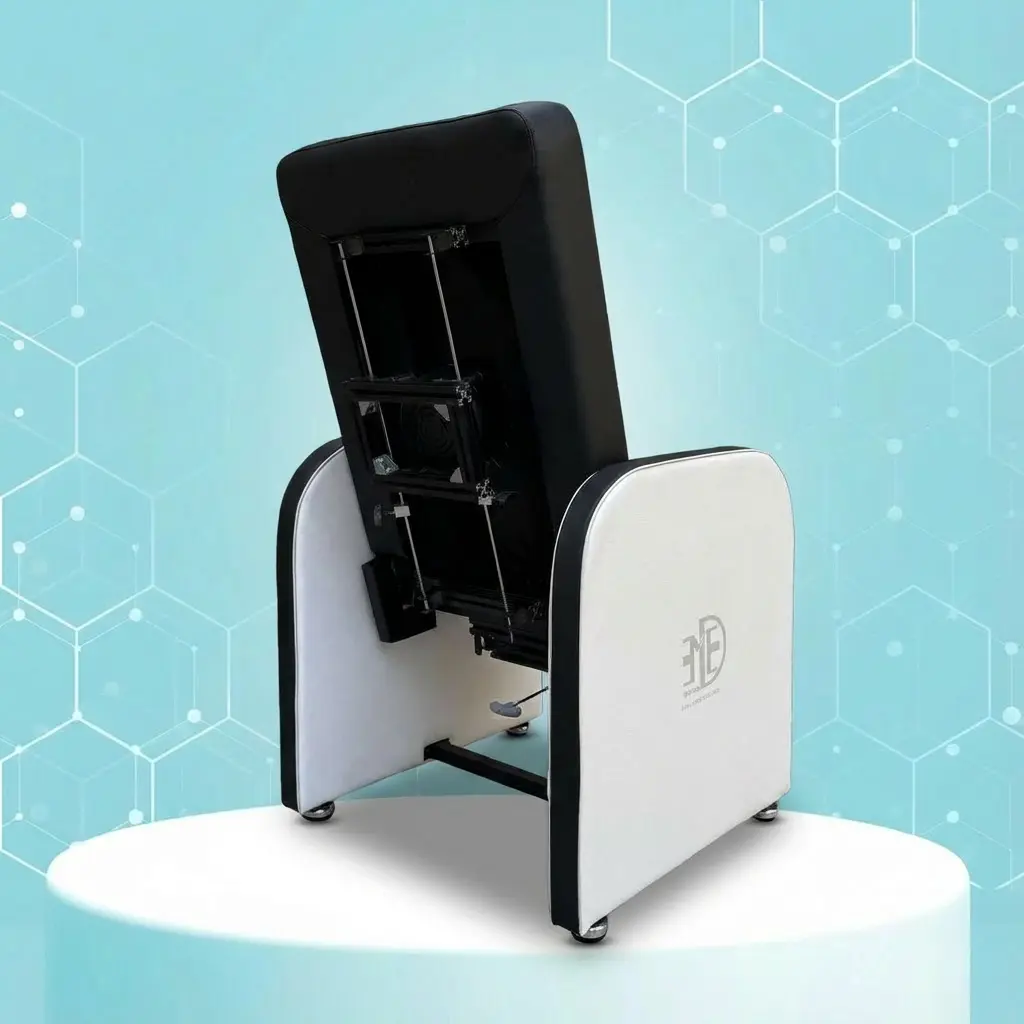
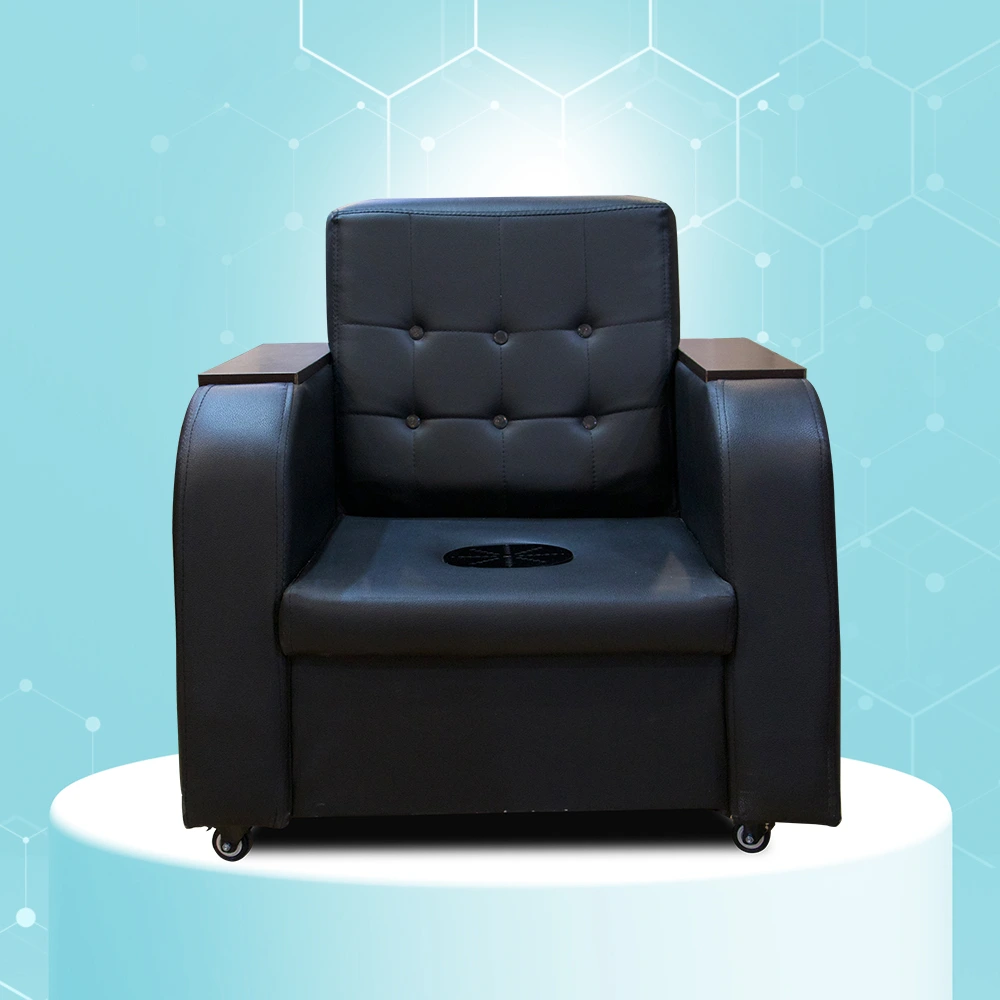
- Specialized chairs available for pelvic treatments
Disadvantages of Magnet Therapy
This method is very safe; the main consideration is proper adjustment of intensity and frequency by a specialist.
Number and Duration of Magnet Therapy Sessions
- Number of sessions: Once or twice daily up to weekly, depending on patient condition
- Duration of each session: 5 to 20 minutes
Suitable Centers for Magnet Therapy
Orthopedic specialists, physiatrists, physiotherapists, pain management specialists, and geriatric medicine professionals can recommend reputable centers.
Conclusion
Magnet therapy is one of the newest methods for pain relief and rehabilitation, which can be used independently or alongside other physiotherapy and pharmacological treatments.
Frequently Asked Questions
1. Is magnet therapy suitable for both men and women?
Yes, depending on the indications and patient condition.
2. How long does the treatment last?
It depends on the type of injury, age, physical condition, and specialist’s treatment protocol.
3. Which therapies are recommended in combination with magnet therapy?
- Medication therapy
- Massage
- Low-level laser therapy
- TENS
- Shockwave therapy
- Acupuncture
- Biofeedback

Reviews
There are no reviews yet.