
فناوران سپیدجامگان
طراح و تولیدکننده تجهیزات پیشرفته پزشکی با تمرکز بر نوآوری، بومیسازی و توسعه فناوریهای سلامت
Urology





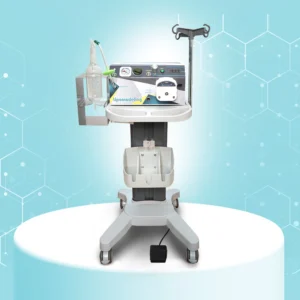
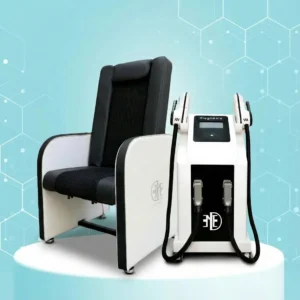
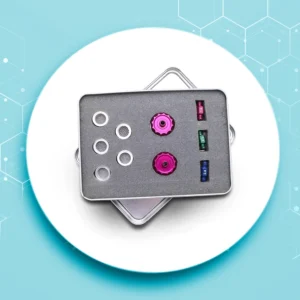

Specialized Urology Equipment | Innovative Clinical Treatment Solutions
Specialized urology equipment plays a vital role in the diagnosis, treatment,
and management of urinary and reproductive system disorders.
With advancements in medical technology, urology has shifted away from fully invasive treatments
toward minimally invasive, precise, and energy-based therapeutic approaches.
Today, urology clinics and specialized medical centers utilize advanced devices
to safely treat a wide range of conditions including urinary disorders,
prostate diseases, sexual dysfunctions, and pelvic floor functional disorders.
This page provides a scientific overview of urology medical equipment,
their applied technologies, and their role in enhancing the quality
of clinical urological treatments.

The Specialized Challenge in Urology (Authority)
The urogenital system includes the kidneys, ureters, bladder, prostate,
and urinary tract, and any dysfunction within this system
can significantly impact a patient’s quality of life.
Common urological conditions include benign prostatic hyperplasia (BPH), دurinary incontinence, recurrent urinary tract infections,
urinary stones, erectile dysfunction, and chronic pelvic pain.
Many of these disorders are chronic in nature and, if not properly treated, may lead to permanent tissue damage. The primary challenge in urology lies in accurate diagnosis and selecting an effective treatment method with minimal trauma. While traditional surgical approaches can be effective, they are often associated with bleeding, hospitalization, and extended recovery periods. As a result, modern urology focuses on non-surgical and minimally invasive treatments supported by specialized medical equipment.
The Role of Advanced Urology Equipment in Treatment
Advanced medical technologies have brought significant innovation
to the treatment of urological disorders. Key technologies include:
Medical Plasma Knife:
The plasma knife enables highly precise tissue incision with minimal thermal damage, making it ideal for treating urological lesions.
It is widely used in prostate procedures, urethral strictures, and soft tissue lesions.
RF Surgical and Therapeutic Systems:
Radiofrequency energy delivers controlled thermal stimulation, leading to tissue contraction, increased blood circulation, and improved pelvic floor muscle function. This technology is effective in treating urinary incontinence and pelvic floor dysfunction.
Specialized Urology Magnet Therapy:
Pulsed electromagnetic fields stimulate pelvic floor nerves and muscles
and play a significant role in the treatment of urinary incontinence,
pelvic muscle weakness, and sexual dysfunctions.
Urology Laser Systems:
Low- and high-power lasers are widely used for the treatment of urinary stones, benign prostatic hyperplasia, and mucosal lesions with high precision.
Application of Urology Equipment in Clinics
In specialized urology clinics, advanced equipment enables outpatient
and minimally invasive treatments. Pelvic magnet therapy devices, designed as therapeutic chairs or specialized probes, are used to stimulate pelvic floor muscles and effectively treat urinary incontinence in both men and women.
Medical plasma knife systems are applied in the treatment of superficial lesions, urethral strictures, and selected minimally invasive surgical procedures. RF therapeutic devices are also used to strengthen pelvic muscles,
improve erectile function, and enhance localized blood flow. Combining these technologies with pharmacological therapies or pelvic floor physiotherapy allows for comprehensive and personalized treatment protocols tailored to each patient.
Why Are These Devices Ideal for Urology Clinics?
Specialized urology equipment is designed in accordance with international medical standards and offers high treatment precision.
These devices significantly reduce the need for invasive surgeries, minimize bleeding and complications, and shorten patient recovery time.
From a clinical perspective, non-invasive treatments increase patient satisfaction, reduce hospitalization costs, and improve patient retention. The ability to perform treatments on an outpatient basis
also significantly enhances the operational efficiency of urology clinics.
Specialized Urology Consultation
Selecting appropriate urology equipment requires careful evaluation
of the clinic’s services, patient demographics, and therapeutic approach. Professional consultation plays a crucial role in choosing efficient, safe, and clinic-oriented devices. Technical experts are available to assess clinical requirements and recommend optimal urology equipment solutions.
Frequently Asked Questions
1. How does specialized urology equipment differ from general medical devices?
These devices are specifically designed for the urogenital system
and provide higher precision for sensitive tissues.
2. What is the application of plasma knife technology in urology?
Plasma knife technology is used for precise tissue incision
with minimal thermal damage in urological procedures.
3. Is magnet therapy effective for urinary incontinence?
Yes, pelvic floor magnetic stimulation is a scientifically validated
and clinically approved method for treating urinary incontinence.
4. What are the advantages of non-invasive urology treatments?
Reduced pain, no need for surgery,
shorter recovery periods,
and enhanced patient safety.
5. How many treatment sessions are required for pelvic floor disorders?
Depending on severity, treatment typically involves
between 6 to 12 clinical sessions.
Specialized Urology Equipment Table
| Device | Main Application | Advantages |
|---|---|---|
| Medical Plasma Knife | Lesion treatment and incision | Minimal thermal damage |
| RF Surgical System | Pelvic disorders treatment | Improved blood circulation |
| Pelvic Magnet Therapy | Urinary incontinence | Deep muscle stimulation |
| Urology Laser System | Stones and prostate treatment | High precision |
| Pelvic Electrostimulation | Muscle rehabilitation | Non-invasive therapy |