
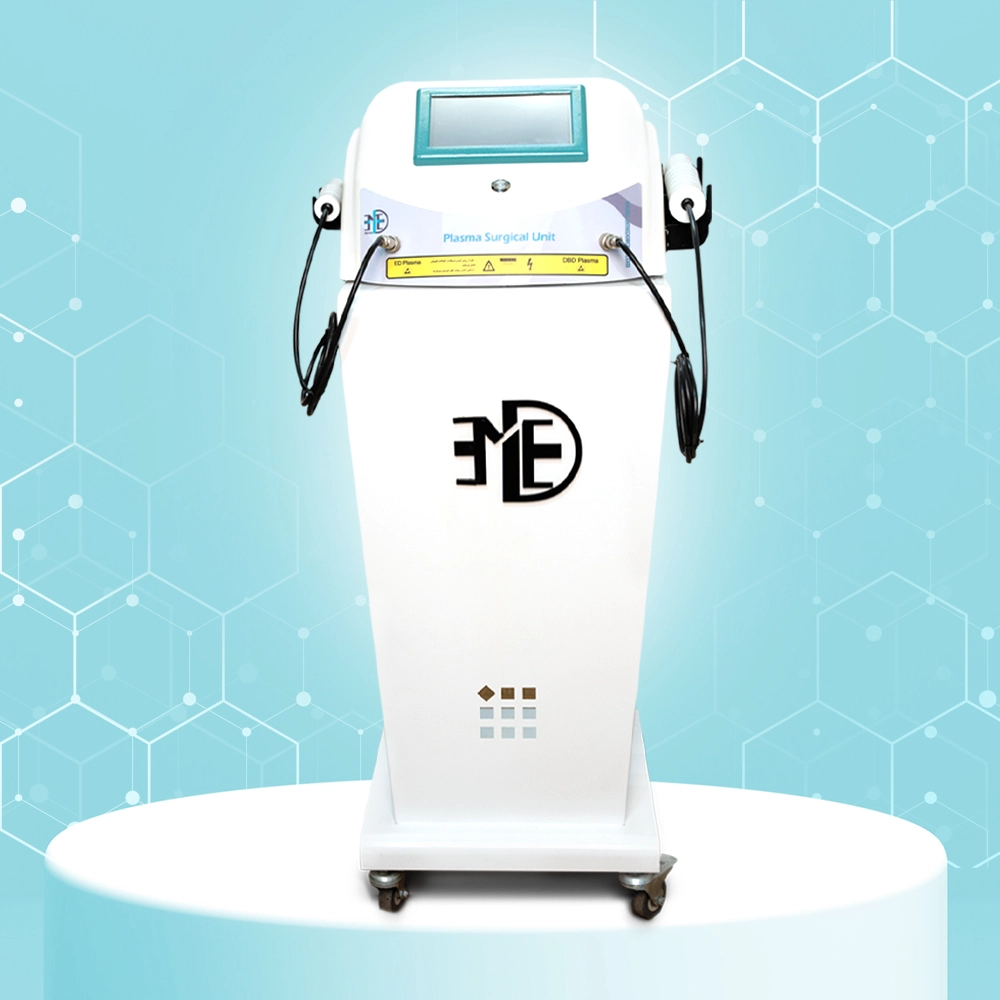
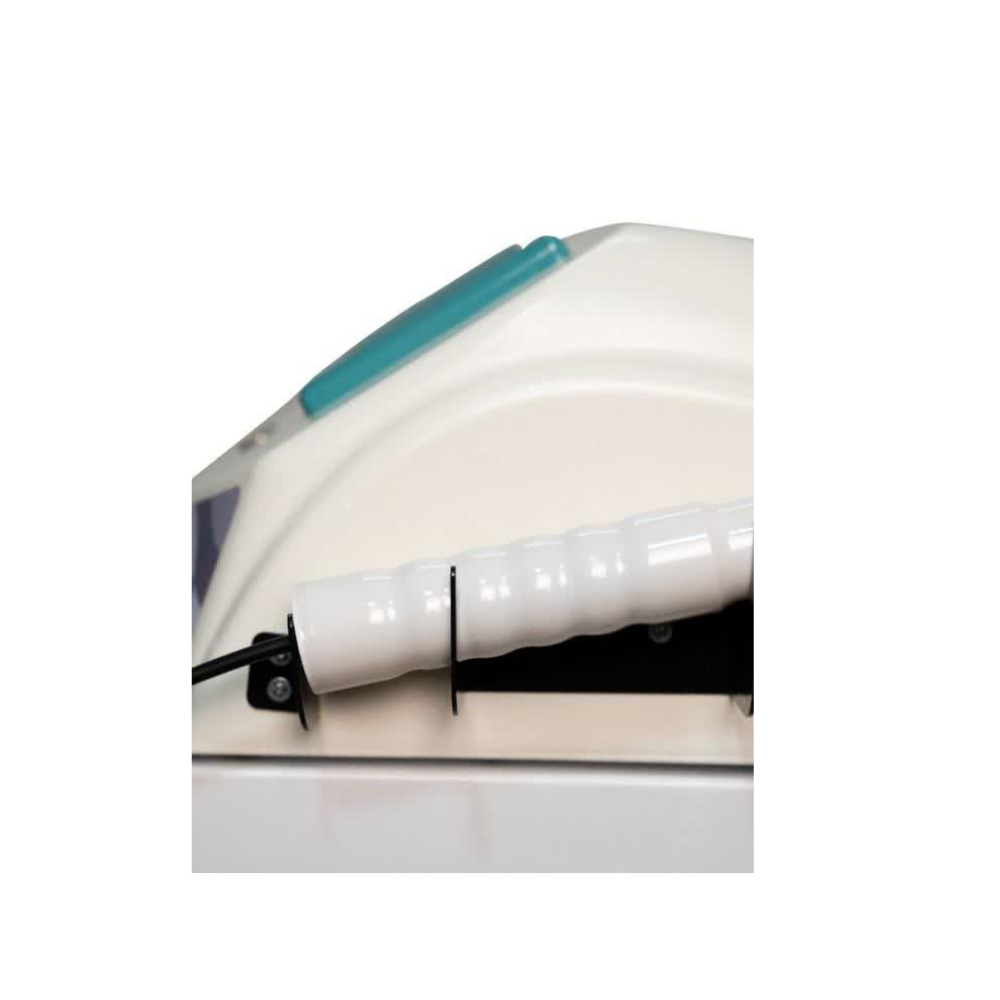
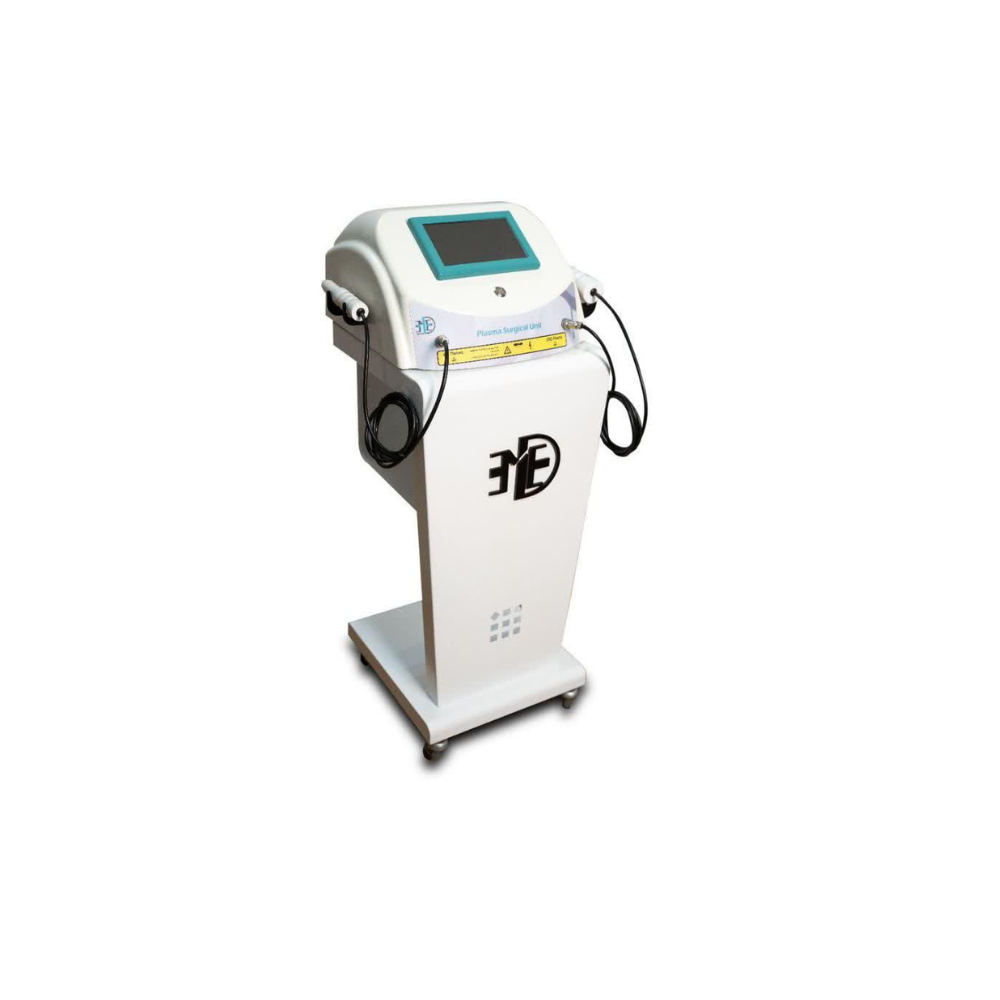
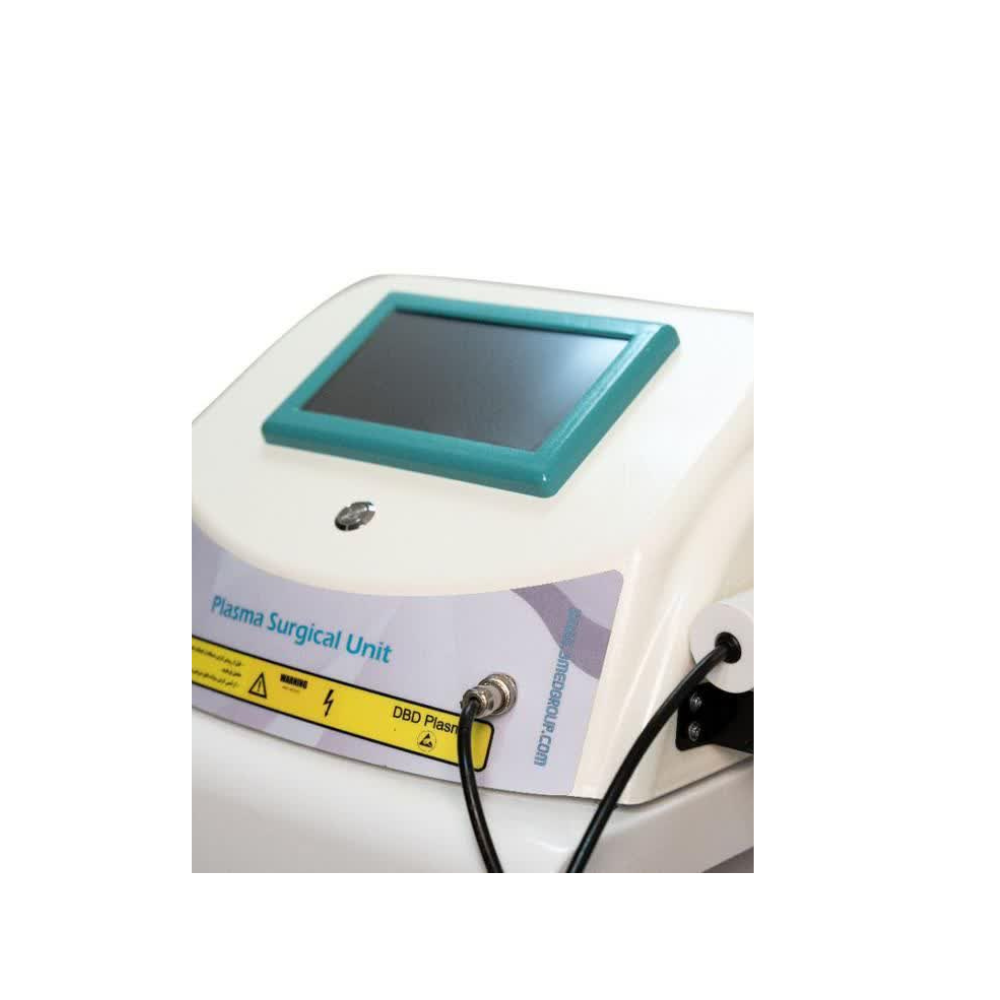
Description
Cold Plasma in Physiotherapy | A Modern and Safe Rehabilitation Technology
One of today’s modern technologies used both in industry and medicine is cold plasma technology. Plasma is the fourth state of matter, created by applying energy to the gas phase. Examples include lightning, sparks, and more. The energy and temperature applied to gas molecules lead to the separation of gas atoms and the release of particles, electrons, and charged ions. In other words, plasma consists of charged particles (electrons and ions), UV photons, free radicals, and excited atoms and molecules, which result in unique properties. Plasma is divided into two types based on temperature: hot plasma and cold plasma.
What Is the Nature of Cold Plasma in Physiotherapy?
The term “plasma” was first used in 1928 by Irvin Langmuir for ionized gases. When electrons and protons collide with gas atoms and molecules due to energy, they ionize, and by losing electrons, plasma is formed. Cold plasma, or “cold atmospheric plasma,” is generated by applying voltage to an inert gas such as helium, neon, argon, or even air. Its temperature is close to room temperature and it has various applications in the food industry and medicine.
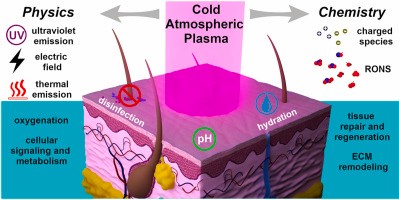
Industrial applications of cold plasma include air and gas purification, food sterilization, and packaging industries. In medicine, cold plasma is used for wound healing, sterilization, infection control, dermatology, dentistry, physiotherapy, veterinary medicine, gynecology, urology, and surgery. The most important biomedical effects of cold plasma come from its disinfectant properties and its ability to reduce pain and inflammation, and many research papers have been published on these topics. In recent years, its anti-inflammatory and analgesic effects have made cold plasma in physiotherapy an important method in pain management and rehabilitation.
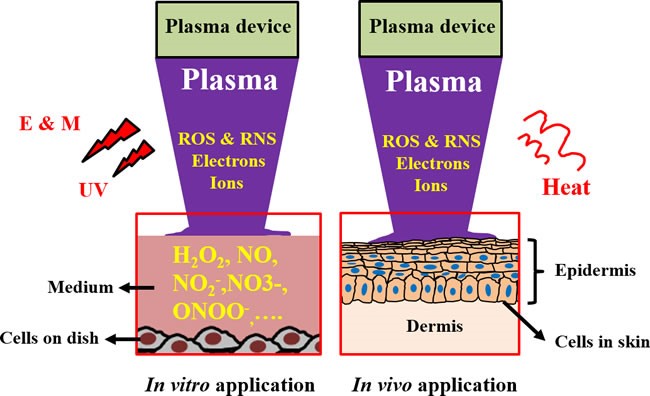
What Are the Principles of Cold Plasma Devices in Physiotherapy?
Today, cold plasma is suggested in research as an effective and supportive treatment for various conditions with minimal side effects and as a cost-effective method. Its mechanism in physiotherapy is based on modulating inflammatory responses and oxidative stress processes. However, depending on the device type, frequency, pressure, and gas used, treatment conditions can differ.
How Does Cold Plasma Work in Physiotherapy?
As mentioned above, the therapeutic effects of cold plasma in physiotherapy are based on modulating inflammatory responses. By altering cytokine function, it decreases metabolic activity in neutrophils, controls microbial activity, enhances cell survival, and regulates immune cell phenotypes. These effects on cytokines play an essential role in physiological responses and can contribute to reducing inflammation and relieving local pain through complex signaling pathways. This is why cold plasma has become a helpful complementary treatment in physiotherapy.
In summary, cold plasma in physiotherapy significantly reduces inflammation and local pain through modulation, differentiation, and recruitment of immune and non-immune cells and by activating multiple cytokines involved in immune and inflammatory pathways as well as tissue regeneration.

Indications of Cold Plasma in Physiotherapy
Cold plasma in physiotherapy has numerous indications, including pain and inflammation reduction in the following conditions:
- Achilies tendinopathy
- Rotator cuff injuries
- Trigger points
- Trigger finger
- Tennis elbow
- Neck strain
- Plantar fasciitis
- Muscle and ligament injuries
- Neurological disorders and neuropathy
- Tendon inflammations
- Shoulder capsulitis
- Chronic compartment syndrome
- Trochanteric bursitis
- De Quervain’s syndrome
- Sports injuries
*Note 1: Cold plasma therapy in physiotherapy can be used alone or in combination with other physiotherapy methods and devices. It may also reduce the use of corticosteroids (which have inflammatory side effects).
*Note 2: In summary, the mechanism of cold plasma therapy in the listed conditions is based on increasing fibroblast activity, enhancing reparative cytokines, and reducing inflammatory mediators.
What Are the Pain-Relieving Effects of Cold Plasma Therapy?
The most important effect of cold plasma therapy in physiotherapy is pain relief. The general mechanism for reducing pain is based on decreasing inflammation and increasing anti-inflammatory cytokines. It also modifies antioxidant levels in tissue, preventing excessive ROS activity and resulting in noticeable pain relief.
What Are the Regenerative Effects of Cold Plasma Therapy?
Cold plasma stimulates the regeneration and repair of soft tissue by activating, migrating, and proliferating keratinocytes, fibroblasts, and growth factors. This regenerative potential is one of its key advantages in physiotherapy.
What Are the Patient Selection Guidelines for Cold Plasma Therapy?
With the variety of methods and physiotherapy devices in clinics, the physiotherapist should consider the following general rules when choosing cold plasma therapy. However, cold plasma therapy is generally safe and non-invasive, suitable both alone and as part of combination therapy for most patients with localized pain.
- Patient’s overall condition, including medical history, injury details, surgical history, underlying diseases, aging, pregnancy, and breastfeeding status.
- All available clinical and physiotherapy treatments should be evaluated before selecting cold plasma therapy.
- Cold plasma therapy can be used as a single treatment or in combination therapy, as approved by the physiotherapist or treating physician.
Contraindications of Cold Plasma Therapy in Physiotherapy
Cold plasma therapy is generally safe and non-invasive with no specific contraindications. However, it is better avoided in pregnant or breastfeeding women and children.
Advantages of Cold Plasma Therapy in Physiotherapy
Cold plasma therapy is safe, non-invasive, painless, and can be applied alone or with other physiotherapy techniques. It requires no hospitalization or recovery time, allowing patients to return to daily activities immediately. Since it needs no consumables, it is also cost-effective for both clinicians and patients.
Disadvantages of Cold Plasma Therapy
Cold plasma therapy is generally safe, but how it is applied depends on the physiotherapist or physician based on the patient’s condition and indication.
Number and Duration of Cold Plasma Sessions in Physiotherapy
Settings, duration of use, and the number of sessions of cold plasma devices…

Reviews
There are no reviews yet.