
فناوران سپیدجامگان
طراح و تولیدکننده تجهیزات پیشرفته پزشکی با تمرکز بر نوآوری، بومیسازی و توسعه فناوریهای سلامت
Wound Infection
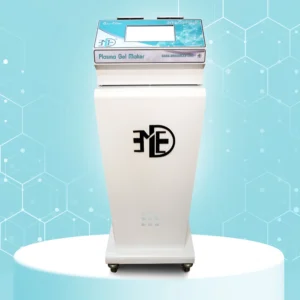
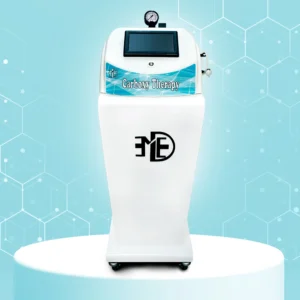
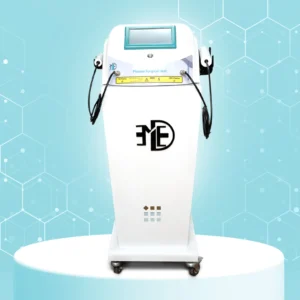
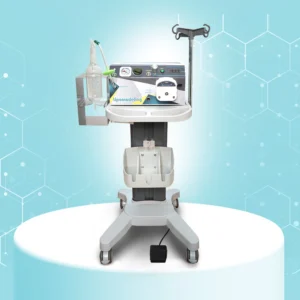
Advanced Wound Healing: Modern Treatment Methods Using High-Tech Approaches
Medically, any damage to the body caused by various factors that disrupt the integrity of the skin and tissue is called a wound. A proper understanding of wound science, along with advanced treatment technologies, can significantly improve healing outcomes, reduce infection, and accelerate tissue repair. In this article, we will explore modern high-tech wound treatment methods, but first, a brief overview of wound theory, causes, types, and common treatments is necessary.

What You Need to Know About Wounds
A wound is a tissue or skin injury caused intentionally or unintentionally, leading to abrasions, tissue disruption, infection, inflammation, pain, and changes in the normal appearance of skin layers.
Causes of Wounds
- Burns
- Scratches, abrasions, or cuts
- Accidents
- Certain diseases, e.g., vascular or orthopedic disorders, diabetes
- Infections
- Sports and physical injuries
- Trauma, crush injuries, gunshots
- Chronic pressure
- Physical immobility
- Medical or industrial device injuries
- Dry skin and lack of moisture
- Surgeries
Wound Types
Wounds can be classified based on cause, type, healing time, or infection level.
Based on Intentionality
- Intentional wounds: Created intentionally under sterile conditions for medical procedures (e.g., surgical incisions, debridement, intravenous treatments). Infection risk is low, and healing can be accelerated with advanced technologies.
- Unintentional wounds: Caused by accidents, burns, trauma, or gunshots. Irregular wound edges and higher infection risk require advanced wound healing expertise.
Based on Skin Layer Disruption
- Open wounds: Can be intentional or unintentional, exposing tissue to infection. Includes incisions, punctures, lacerations, and abrasions.
- Closed wounds: Skin remains intact, often with bruising (ecchymosis). Includes contusions and hematomas.
Based on Healing Time
- Acute wounds: Such as surgical or minor wounds, usually heal within two weeks using advanced technologies.
- Chronic wounds: Impaired healing due to diabetes, poor blood supply, or infection. Advanced therapies reduce infection and accelerate healing. Examples: diabetic wounds, pressure ulcers, vascular wounds, burns (grade 2+), traumatic wounds, surgical wounds, neuropathic or orthopedic wounds.
Based on Infection Level
- Clean wound (1–5% infection)
- Clean-contaminated wound (5–10% infection)
- Contaminated wound (10–25% infection)
- Infected wound (25%+ infection)
Healing Stages
Wound healing occurs in four stages, all of which benefit from advanced wound treatment technologies:
- Hemostasis: Immediate clot formation to stop bleeding. Advanced technologies can accelerate clotting.
- Inflammation: Lasts 4–6 days. Neutrophils destroy bacteria and biofilms and secrete growth factors to prepare the wound bed. Advanced therapies reduce infection and enhance collagen formation.
- Proliferation: Tissue regeneration, wound contraction, and epithelialization over 4–21 days. Technologies improve collagen synthesis and epithelialization.
- Maturation: Final remodeling of tissue, which can last months to years. Collagen fibers reorganize and apoptotic cells are removed. Advanced technologies assist complete closure and tissue restoration.
Modern Advanced Wound Treatment Methods
- Cold Plasma: Reduces bacteria and biofilms, stimulates reactive oxygen/nitrogen species, enhances collagen, sterilizes tissue, and neutralizes odor.
- Ozone Therapy: Applied via injection or bag therapy, reduces infection, removes necrotic tissue, enhances cell proliferation, and stimulates growth factors.
- PEMF (Pulsed Electromagnetic Fields): Promotes soft tissue repair, reduces inflammation, and accelerates healing.
- RF-Surgical (Radiofrequency): Used for debridement of necrotic tissue, thick scars, and minor surgical procedures.
- Carboxytherapy: Local CO₂ injection improves oxygenation, circulation, reduces inflammation, and enhances tissue regeneration.
- Biofiller: Autologous filler from patient’s blood, supports tissue regeneration, reduces wound size, improves appearance, and can be combined with other therapies.
Key Considerations for Advanced Wound Therapy
- Choice of method depends on wound type, patient condition, medications, and combination therapy.
- Duration and number of sessions vary depending on wound size, depth, chronicity, and patient age.
- Advanced wound therapy should be performed by certified general surgeons, infectious disease specialists, or wound care specialists.
- Adjunctive care: proper nutrition (proteins, carbohydrates, vitamins) and adherence to the complete treatment plan enhance healing.
Conclusion
Advanced wound treatment technologies provide innovative options that accelerate healing, prevent infection, and reduce scarring. Selection of therapy should be personalized based on patient condition, wound type, and combination therapies.
Frequently Asked Questions
- Who can benefit from advanced wound therapies? – Any patient requiring wound care under medical supervision.
- How effective are advanced wound therapies? – Effectiveness depends on wound type, cause, duration, patient condition, age, combination therapies, and technology used, but they generally accelerate healing, reduce infection, and improve quality of life and physical function.