
فناوران سپیدجامگان
طراح و تولیدکننده تجهیزات پیشرفته پزشکی با تمرکز بر نوآوری، بومیسازی و توسعه فناوریهای سلامت
Weight loss
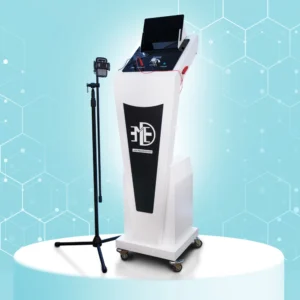

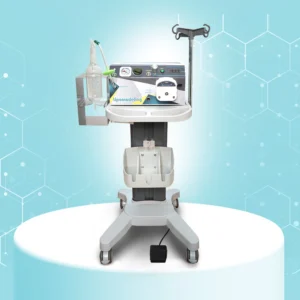
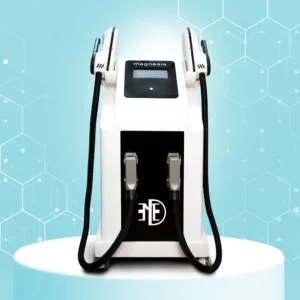
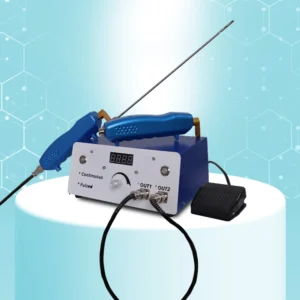
The Impact of Weight Loss on Life
One of the most important health topics in aesthetic medicine is weight loss. Achieving a balanced body and proper weight not only creates a desirable appearance but also has significant effects on physical and mental health, boosting self-confidence and overall quality of life. In general, weight loss is not just a cosmetic matter; it encompasses all aspects of an individual’s health.

Benefits of Weight Loss
In addition to improving appearance, weight loss enhances physical health, improves cardiovascular function, regulates blood sugar and blood pressure, reduces symptoms of various diseases, lowers the risk of acute and chronic illnesses, increases daily energy and memory capacity, boosts self-confidence, improves mobility and physical activity, enhances sleep quality, reduces daily fatigue, improves social and personal relationships, and ultimately raises overall quality of life.
How Does Weight Loss Affect Health?
The more balanced the body weight and fat, the easier the breathing, higher stamina, and less energy is required for daily tasks.
Types of Weight Loss Methods
Today, there are various methods for weight loss, including dietary plans, aerobic and device-based exercises, oral supplements, medical procedures and devices, mesotherapy, surgery, and more.
Device-Based Weight Loss Methods
Weight loss can occur using device-based methods alone or combined with non-invasive approaches such as diet, exercise, supplements, mesotherapy, or even invasive procedures like cosmetic surgery. In this section, we explain different device-based weight loss methods.
Types of Device-Based Weight Loss Methods
- Radiofrequency (RF) devices
- Ultrasound-based devices
- Pulsed Electromagnetic Field (PEMF) devices
- Low-Level Laser Therapy (LLLT) devices
- Manual and device-based massagers
- Exercise equipment
Note: The first four categories are primarily used in medical weight loss procedures.
RF Device-Based Weight Loss Methods
RF devices operate on monopolar, bipolar, or multipolar radiofrequency waves and are set to specific temperatures (40–44°C). This technology not only reduces localized fat but also prevents skin sagging due to volume loss. The device’s technology and engineering significantly affect efficiency and outcomes. Monopolar RF penetrates deeper, reducing fat and cellulite while lifting the skin in the targeted area. Bipolar and multipolar technologies have shallower penetration but greater skin-lifting effects, suitable for post-fat reduction skin tightening. Sessions usually range from 6 to 10, depending on cellulite type, fat amount, patient age, and combination therapies.
Ultrasound Device-Based Weight Loss Methods
Ultrasound devices break down fat cells into liquid fatty acids, which the body naturally eliminates. This non-invasive method can be used alone or alongside other non-invasive or invasive methods, including pre- and post-cosmetic surgery. Sessions typically range from 3 to 10, based on cellulite, fat amount, age, and combination therapies.
PEMF Device-Based Weight Loss Methods
Pulsed Electromagnetic Field (PEMF) therapy has gained significant attention in recent years. PEMF waves penetrate targeted fat areas, increasing blood flow, reducing localized fat, and combating cellulite. A major advantage is simultaneous muscle strengthening and shaping, especially effective for abdominal toning. Sessions generally range from 4 to 6, depending on patient factors and combination therapies.
LLLT Device-Based Weight Loss Methods
Low-Level Laser Therapy (LLLT) transfers cold laser energy to fat tissue, triggering apoptosis and eliminating fat cells. This non-invasive method can be used alone or with other non-invasive or invasive techniques, including pre- and post-surgery. Sessions usually range from 8 to 10, depending on cellulite, fat, patient age, and combination therapies.
Differences Between Device-Based Weight Loss Methods
Results vary depending on the technology, patient age and condition, other concurrent weight loss methods (diet, exercise, surgery, mesotherapy, or medication), and the number and duration of sessions.
Important Considerations When Choosing a Device-Based Weight Loss Method
- Consultation with a physician or nutritionist
- Consistency and completion of recommended treatment
- Use of standardized devices
- Proper dietary adjustments and calorie reduction
- Improved daily lifestyle, activity, and physical performance
- Maintaining overall health throughout the treatment
Overall Effects on the Body
When performed under medical supervision, device-based weight loss methods reduce fat and cellulite while supporting digestive, cardiovascular, and overall health. Non-standard or unsupervised treatments may cause serious health issues and produce suboptimal results.
Indications for Device-Based Weight Loss Methods
These non-invasive methods can be used alone or in combination therapies, generally indicated for:
- Reduction of localized fat
- Improvement in cellulite appearance
- Skin tightening and lifting after fat removal
- BMI improvement
Contraindications
Device-based methods must be used under physician or nutritionist supervision. Contraindications depend on technology and patient condition. For example, ultrasound is not recommended for patients with high blood lipids or cardiovascular problems, who may use other non-invasive technologies instead.
Combination Therapy
Non-invasive device-based methods combined with diet, semi- or minimally invasive devices, medications, mesotherapy, or surgery often yield superior results.
Cost
Costs depend on device type, service center, and combination therapy.
Treatment Duration and Sessions
The number and frequency of sessions depend on fat/cellulite type, BMI, causes of obesity, patient age, underlying conditions, concurrent weight loss methods, medication, and lifestyle. A physician or nutritionist should determine the exact protocol.
Operators
To prevent harm, device-based weight loss treatments must be performed by a certified physician or nutritionist.
Conclusion
Device-based weight loss methods should be chosen based on BMI, age, patient history, and concurrent therapies (surgery, diet, etc.). Session duration and number depend on the selected technology.
FAQ
- Who can use device-based weight loss methods? – Adults over 21, both male and female, under medical supervision and considering health status.
- How effective are device-based methods? – Results vary based on technology, combination therapy, and treatment duration.
- Are these methods necessary alongside cosmetic surgery? – Yes, pre-surgery for fat reduction and post-surgery for skin lifting improve outcomes.